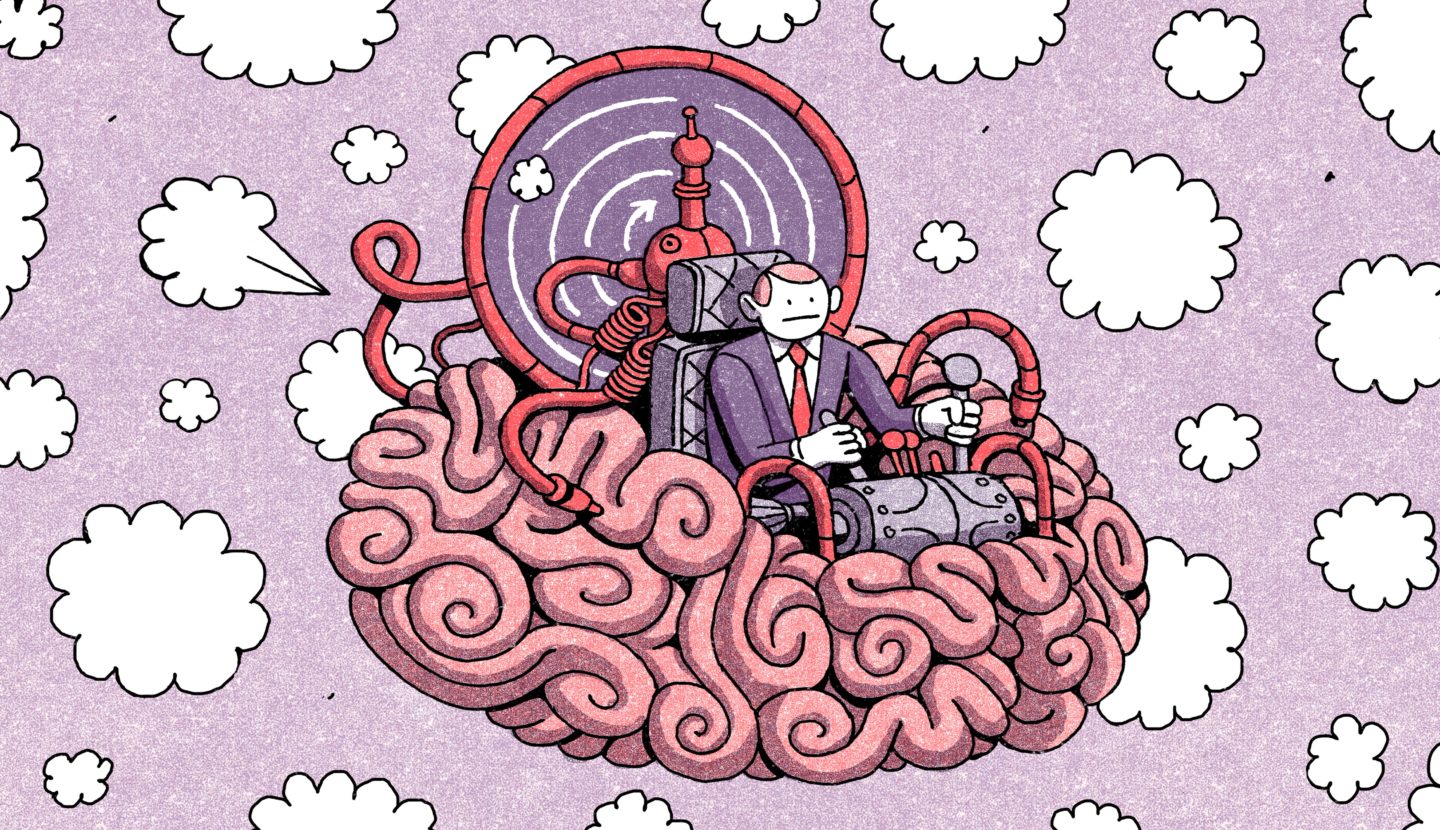
#124 – Karen Levy on fads and misaligned incentives in global development, and scaling deworming to reach hundreds of millions
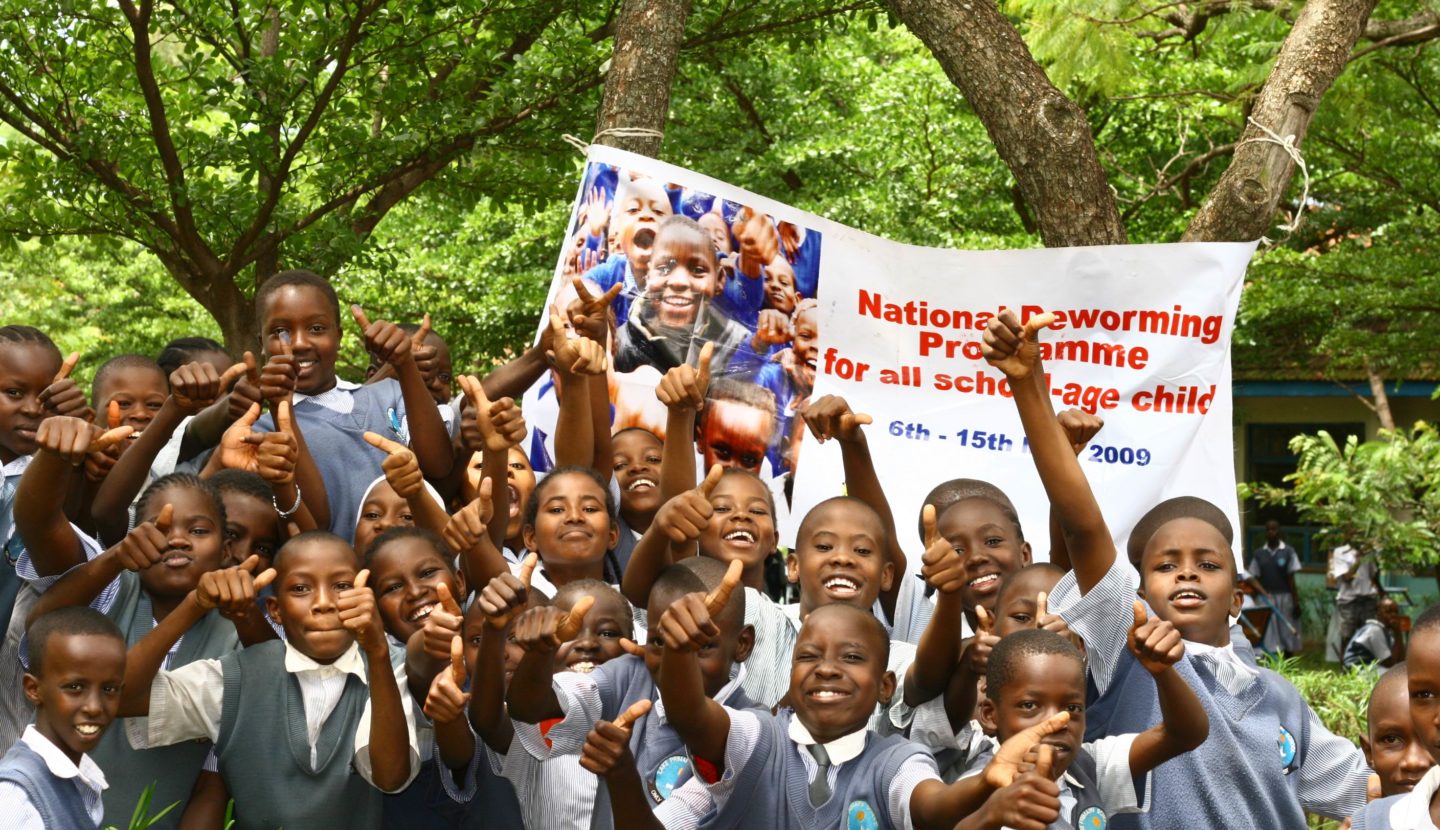
If someone said a global health and development programme was sustainable, participatory, and holistic, you’d have to guess that they were saying something positive. But according to today’s guest Karen Levy — deworming pioneer and veteran of Innovations for Poverty Action, Evidence Action, and Y Combinator — each of those three concepts has become so fashionable that they’re at risk of being seriously overrated and applied where they don’t belong.
Such concepts might even cause harm — trying to make a project embody all three is as likely to ruin it as help it flourish.
First, what do people mean by ‘sustainability’? Usually they mean something like the programme will eventually be able to continue without needing further financial support from the donor. But how is that possible? Governments, nonprofits, and aid agencies aim to provide health services, education, infrastructure, financial services, and so on — and all of these require ongoing funding to pay for materials and staff to keep them running.
I buy my groceries from a supermarket, and I’m not under the illusion that one day I’ll be able to stop paying and still get everything I need for free. And there’s nothing wrong with this way of getting life’s necessities being ‘unsustainable’ — so long as I want groceries, I’ll keep paying for them.
Given that someone needs to keep paying, Karen tells us that in practice, ‘sustainability’ is usually a euphemism for the programme at some point being passed on to someone else to fund — usually the national government. And while that can be fine, the national government of Kenya only spends $400 per person to provide each and every government service — just 2% of what the US spends on each resident. Incredibly tight budgets like that are typical of low-income countries. While the concept of ‘sustainability’ sounds great, to say “We’re going to pass the cost of this programme on to a government funded by very poor people’s taxes” sounds at best ambiguous.