AI hardware
Career review by Erich Grunewald · Published September 2023



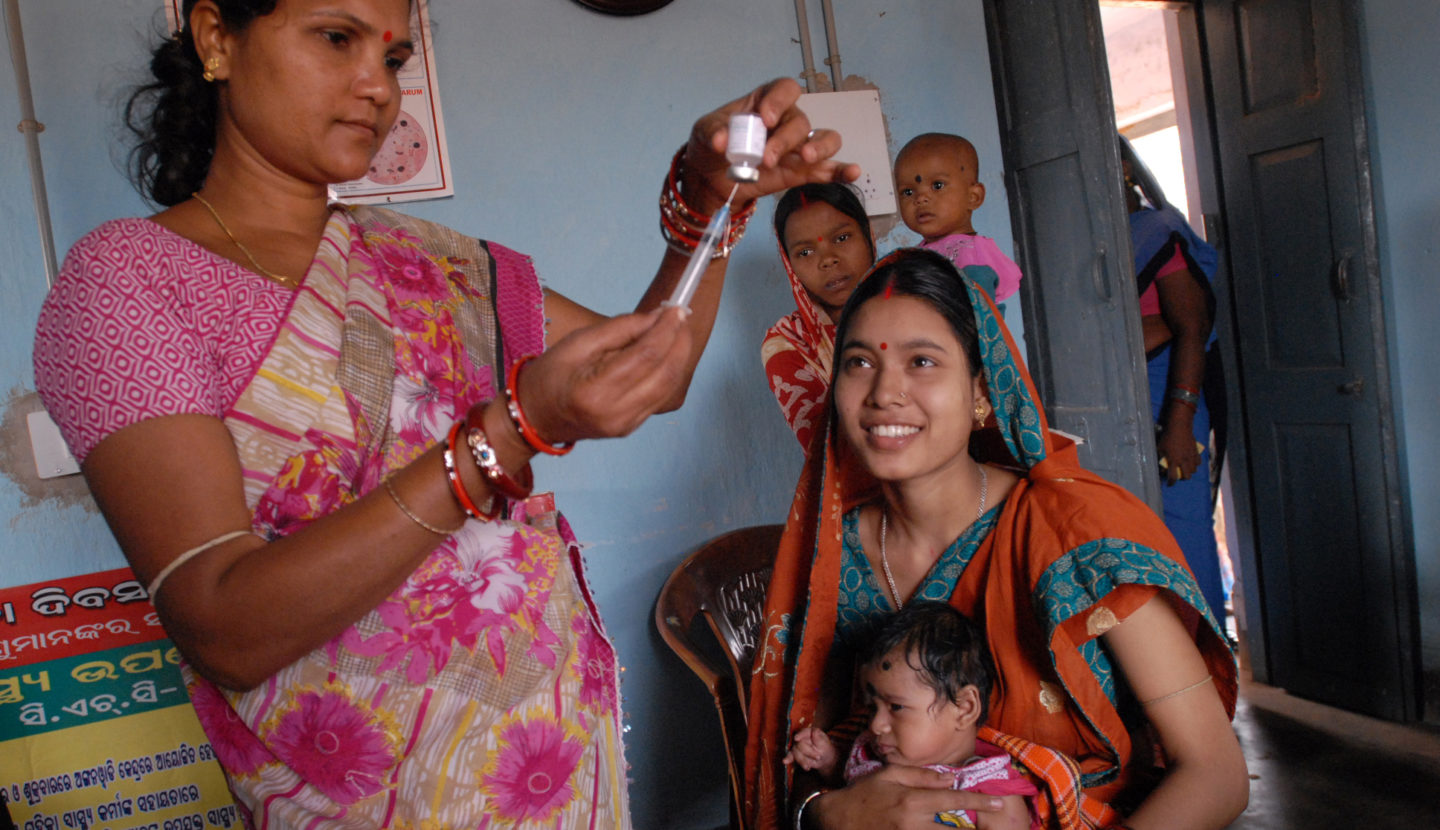
Our failure to get every kid in the world all of their basic vaccinations on time leads to 1.5 million deaths every year.
According to today’s guest, Varsha Venugopal, for the great majority this has nothing to do with weird conspiracy theories or medical worries — in India 80% of undervaccinated children are already getting some shots. They just aren’t getting all of them, for the tragically mundane reason that life can get in the way.
As Varsha says, we’re all sometimes guilty of “valuing our present very differently from the way we value the future,” leading to short-term thinking, whether about going to the gym or getting vaccines.
So who should we call on to help fix this universal problem? The government, extended family, or maybe village elders?
Varsha says that research shows the most influential figures might actually be local gossips.
In 2018, Varsha heard about the ideas around effective altruism for the first time. By the end of 2019, she’d gone through Charity Entrepreneurship’s strategy incubation program, and quit her normal, stable job to co-found Suvita, a nonprofit dedicated to improving the uptake of immunisation in India, which focuses on two models:
The first one is intuitive. You collect birth registers, digitise the paper records, process the data, and send out personalised SMS messages to hundreds of thousands of families. The effect size varies depending on the context, but these messages usually increase vaccination rates by 8–18%.

Let’s say you’re planning to buy a new laptop — well, how do you choose that laptop?
You’re probably not going to pick randomly. And you’re probably not even going to choose the prettiest one either.
I’m guessing that you’ll put a bit of research into it. And that’s just common sense.
You’ll likely cross-reference a couple of different sources, try to find a laptop that’s endorsed by a few people you respect. Or maybe you go on a review site like Wirecutter to find what the reviewers consider the ‘best deal.’
You also might not even be married to the idea of getting a laptop at all — if the underlying thing you want to do is your work, maybe you should get a desktop and just use your phone when on the move.
At the end of the process, you would have hoped to get the outcome you really wanted, without spending too much time figuring it out.
But when it comes to doing good, most people don’t instinctively apply the same rigorous and practical mindset they do in other parts of their life. We’re more likely to volunteer our time at a place that’s easy to get to, give money to whichever charity knocks on our door, or focus on an issue just because it grabbed our attention when we were young.
To people in the effective altruism community, that seems like a pretty significant mistake.

Preventing the apocalypse may sound like an idiosyncratic activity, and it sometimes is justified on exotic grounds, such as the potential for humanity to become a galaxy-spanning civilisation.
But the policy of US government agencies is already to spend up to $4 million to save the life of a citizen, making the death of all Americans a $1,300,000,000,000,000 disaster.
According to Carl Shulman, research associate at Oxford University’s Future of Humanity Institute, that means you don’t need any fancy philosophical arguments about the value or size of the future to justify working to reduce existential risk — it passes a mundane cost-benefit analysis whether or not you place any value on the long-term future.
The key reason to make it a top priority is factual, not philosophical. That is, the risk of a disaster that kills billions of people alive today is alarmingly high, and it can be reduced at a reasonable cost. A back-of-the-envelope version of the argument runs:
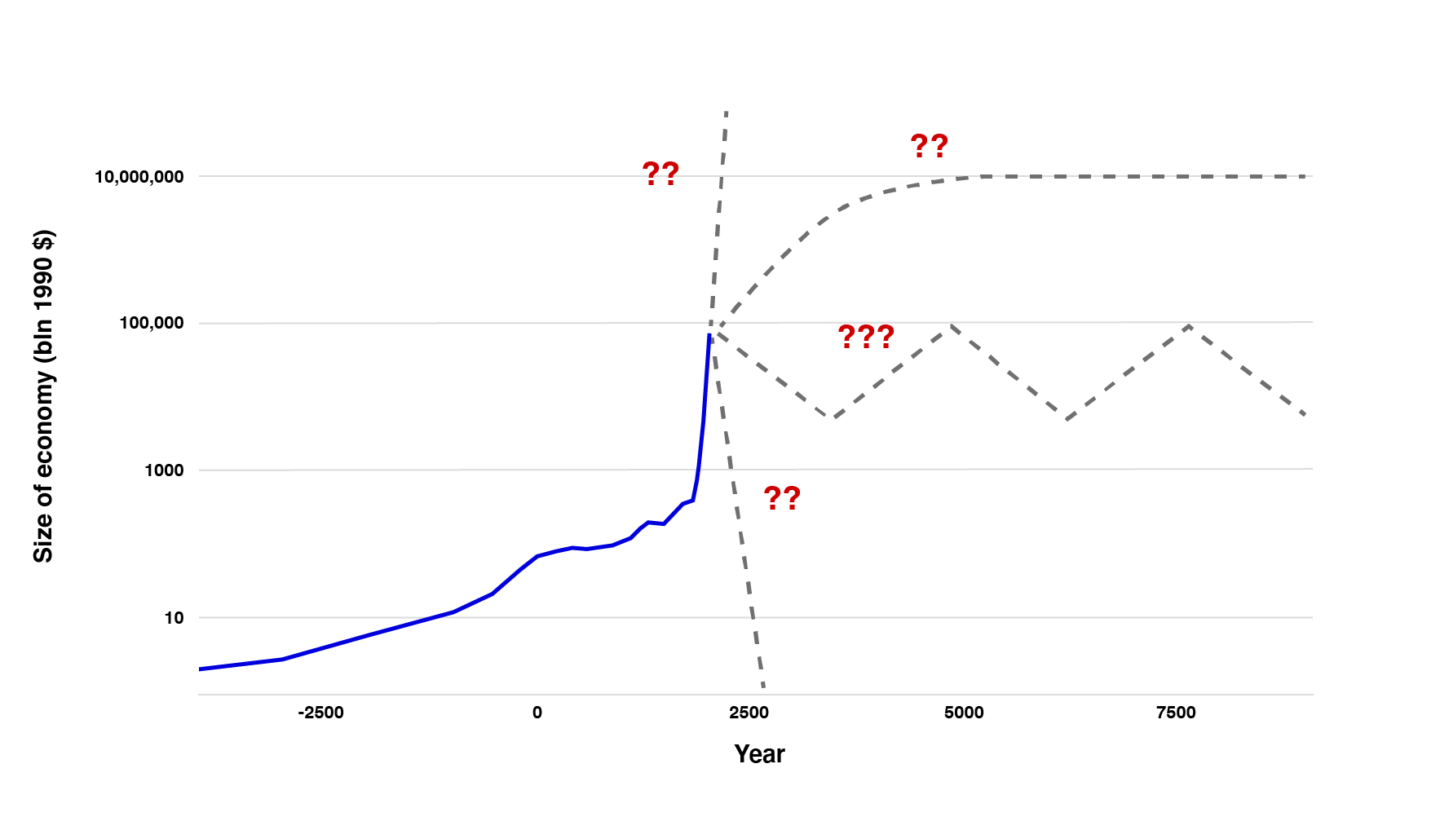
Will the future of humanity be wild, or boring? It’s natural to think that if we’re trying to be sober and measured, and predict what will really happen rather than spin an exciting story, it’s more likely than not to be sort of… dull.
But there’s also good reason to think that that is simply impossible. The idea that there’s a boring future that’s internally coherent is an illusion that comes from not inspecting those scenarios too closely.
At least that is what Holden Karnofsky — founder of charity evaluator GiveWell and foundation Open Philanthropy — argues in his new article series, “The Most Important Century.”
The bind is this: for the first 99% of human history, the global economy (initially mostly food production) grew very slowly: under 0.1% a year. But since the Industrial Revolution around 1800, growth has exploded to over 2% a year.
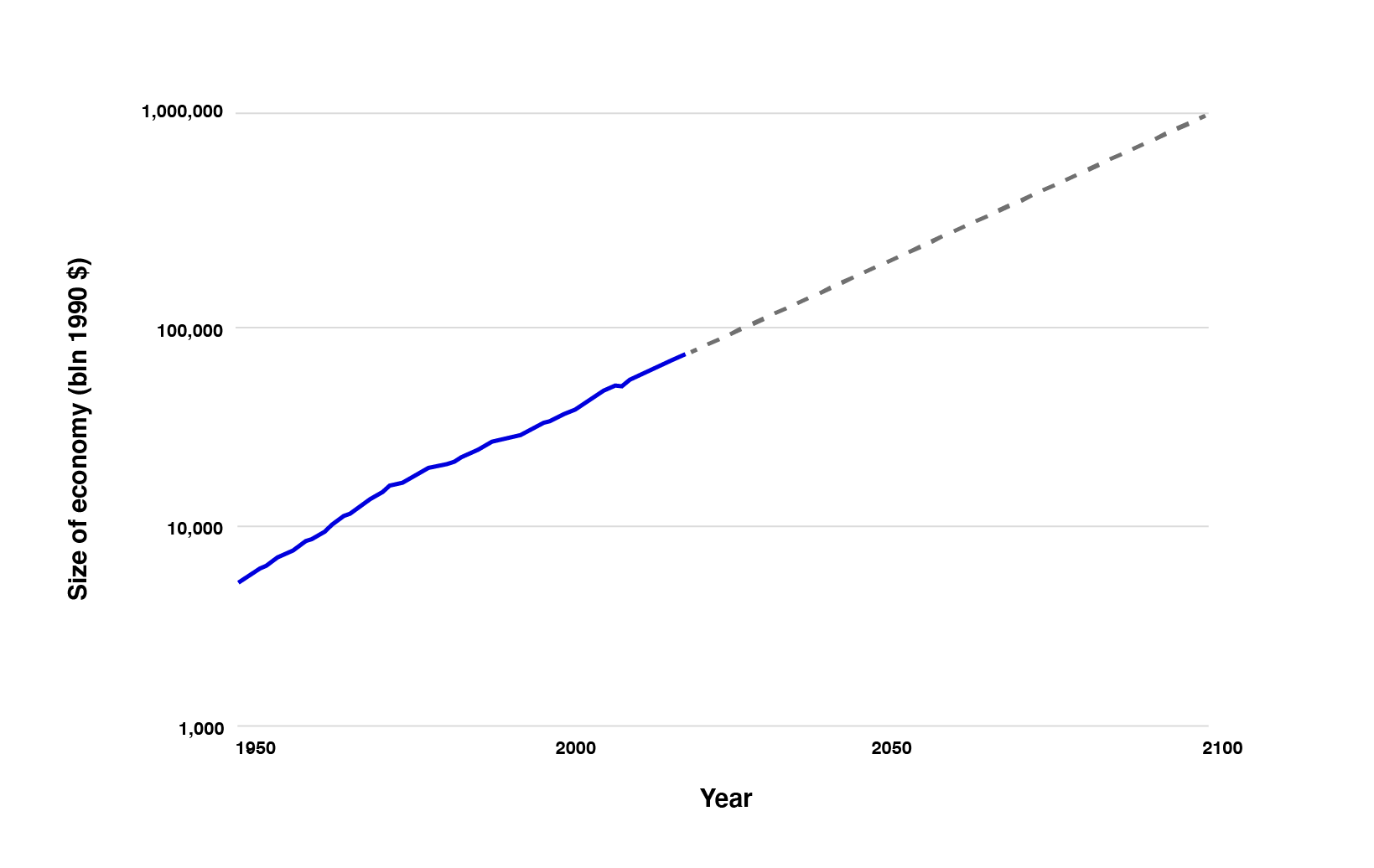
To us in 2020, that sounds perfectly sensible and the natural order of things. But Holden points out that in fact it’s not only unprecedented, it also can’t continue for long.
The power of compounding increases means that to sustain 2% growth for just 10,000 years — 5% as long as humanity has already existed — would require us to turn every individual atom in the galaxy into an economy as large as the Earth’s today. Not super likely.
So what are the options?

If you’re living in the Niger Delta in Nigeria, your best bet at a high-paying career is probably ‘artisanal refining’ — or, in plain language, stealing oil from pipelines.
The resulting oil spills damage the environment and cause severe health problems, but the Nigerian government has continually failed in their attempts to stop this theft.
They send in the army, and the army gets corrupted. They send in enforcement agencies, and the enforcement agencies get corrupted. What’s happening here?
According to Mushtaq Khan, economics professor at SOAS University of London, this is a classic example of ‘networked corruption’. Everyone in the community is benefiting from the criminal enterprise — so much so that the locals would prefer civil war to following the law. It pays vastly better than other local jobs, hotels and restaurants have formed around it, and houses are even powered by the electricity generated from the oil.
In today’s episode, Mushtaq elaborates on the models he uses to understand these problems and make predictions he can test in the real world.
Some of the most important factors shaping the fate of nations are their structures of power: who is powerful, how they are organized, which interest groups can pull in favours with the government, and the constant push and pull between the country’s rulers and its ruled. While traditional economic theory has relatively little to say about these topics, institutional economists like Mushtaq have a lot to say, and participate in lively debates about which of their competing ideas best explain the world around us.

Holden Karnofsky helped create two of the most influential organisations in the effective philanthropy world. So when he outlines a different perspective on career advice than the one we present at 80,000 Hours — we take it seriously.
Holden disagrees with us on a few specifics, but it’s more than that: he prefers a different vibe when making career choices, especially early in one’s career.
While he might ultimately recommend similar jobs to those we recommend at 80,000 Hours, the reasons are often different.
At 80,000 Hours we often talk about ‘paths’ to working on what we currently think of as the most pressing problems in the world. That’s partially because people seem to prefer the most concrete advice possible.
But Holden thinks a problem with that kind of advice is that it’s hard to take actions based on it if your job options don’t match well with your plan, and it’s hard to get a reliable signal about whether you’re making the right choices.
How can you know you’ve chosen the right cause? How can you know the future job you’re aiming for will still be helpful to that cause? And what if you can’t get a job in this area at all?
Holden prefers to focus on ‘aptitudes’ that you can build in all sorts of different roles and cause areas, which can later be applied more directly.
Even if the current role or path doesn’t work out, or your career goes in wacky directions you’d never anticipated (like so many successful careers do), or you change your whole worldview — you’ll still have access to this aptitude.

Will the future of humanity be wild, or boring? It’s natural to think that if we’re trying to be sober and measured, and predict what will really happen rather than spin an exciting story, it’s more likely than not to be sort of… dull.
But there’s also good reason to think that that is simply impossible. The idea that there’s a boring future that’s internally coherent is an illusion that comes from not inspecting those scenarios too closely.
At least that is what Holden Karnofsky — founder of charity evaluator GiveWell and foundation Open Philanthropy — argues in his new article series titled ‘The Most Important Century’. He hopes to lay out part of the worldview that’s driving the strategy and grantmaking of Open Philanthropy’s longtermist team, and encourage more people to join his efforts to positively shape humanity’s future.
The bind is this. For the first 99% of human history the global economy (initially mostly food production) grew very slowly: under 0.1% a year. But since the industrial revolution around 1800, growth has exploded to over 2% a year.
To us in 2020 that sounds perfectly sensible and the natural order of things. But Holden points out that in fact it’s not only unprecedented, it also can’t continue for long.
The power of compounding increases means that to sustain 2% growth for just 10,000 years, 5% as long as humanity has already existed, would require us to turn every individual atom in the galaxy into an economy as large as the Earth’s today. Not super likely.

Chris Olah has had a fascinating and unconventional career path.
Most people who want to pursue a research career feel they need a degree to get taken seriously. But Chris not only doesn’t have a PhD, but doesn’t even have an undergraduate degree. After dropping out of university to help defend an acquaintance who was facing bogus criminal charges, Chris started independently working on machine learning research, and eventually got an internship at Google Brain, a leading AI research group.
In this interview — a follow-up to our episode on his technical work — we discuss what, if anything, can be learned from his unusual career path. Should more people pass on university and just throw themselves at solving a problem they care about? Or would it be foolhardy for others to try to copy a unique case like Chris’?
We also cover some of Chris’ personal passions over the years, including his attempts to reduce what he calls ‘research debt’ by starting a new academic journal called Distill, focused just on explaining existing results unusually clearly.
As Chris explains, as fields develop they accumulate huge bodies of knowledge that researchers are meant to be familiar with before they start contributing themselves. But the weight of that existing knowledge — and the need to keep up with what everyone else is doing — can become crushing. It can take someone until their 30s or later to earn their stripes, and sometimes a field will split in two just to make it possible for anyone to stay on top of it.

Applications for this position have now closed.
We’re looking for a Head of Marketing to help us expand our readership and be the founding member of our marketing team.
We’re hoping to find someone who could take on the Head of Marketing position immediately. However, we’re also open to hiring a candidate with less experience who we could support to take on the responsibilities of a Head of Marketing over time. To apply for the more junior position instead, please see our Marketer job description.
80,000 Hours provides free research and support to help people find careers tackling the world’s most pressing problems.
We’ve had over 8 million visitors to our website, and more than 3,000 people have told us that they’ve significantly changed their career plans due to our work. We’re also the largest single source of people getting involved in the effective altruism community, according to the most recent EA Survey.
Even so, about 90% of U.S. college graduates have never heard of effective altruism, and just 0.5% of students at top colleges seem highly engaged in EA. As Head of Marketing, your aim would be to help us reach all students and recent graduates who might be interested in our work. We anticipate this could increase our readership up to five times, and lead to hundreds more people pursuing high-impact careers.
We’re looking for a senior marketing generalist who will:

Applications for this position have now closed.
We’re looking for a Marketer to help us expand our readership and be the founding member of our marketing team.
We’d like to support the person in this role to take on more responsibility over time and eventually become our Head of Marketing.
We’re also open to hiring someone more senior, who could take on the Head of Marketing role immediately. To apply for the Head of Marketing position instead, please see the job description here.
80,000 Hours provides free research and support to help people find careers tackling the world’s most pressing problems.
We’ve had over 8 million visitors to our website, and more than 3,000 people have told us that they’ve significantly changed their career plans due to our work. We’re also the largest single source of people getting involved in the effective altruism community, according to the most recent EA Survey.
Even so, about 90% of U.S. college graduates have never heard of effective altruism, and just 0.5% of students at top colleges seem highly engaged in EA. As 80,000 Hours’ Marketer, your aim would be to help us reach all students and recent graduates who might be interested in our work. We anticipate this could increase our readership up to five times, and lead to hundreds more people pursuing high-impact careers.

How are the resources in effective altruism allocated across cause areas?
Knowing these figures, for both funding and labour, can help us spot gaps in the current allocation. In particular, I’ll suggest that broad longtermism seems like the most pressing gap right now.
This is a follow on from my first post, where I estimated the total amount of committed funding and people, and briefly discussed how many resources are being deployed now vs. invested for later.
These estimates are for how the situation stood in 2019. I made them in early 2020, and made a few more adjustments when I wrote this post. As with the previous post, I recommend that readers take these figures as extremely rough estimates, and I haven’t checked them with the people involved. I’d be keen to see additional and more thorough estimates.
Update Oct 2021: I mistakenly said the number of people reporting 5 for engagement was ~2300, but actually this was the figure for people reporting 4 or 5.
Allocation of funding
Here are my estimates:
What it’s based on:
Big machine learning models can identify plant species better than any human, write passable essays, beat you at a game of Starcraft 2, figure out how a photo of Tobey Maguire and the word ‘spider’ are related, solve the 60-year-old ‘protein folding problem’, diagnose some diseases, play romantic matchmaker, write solid computer code, and offer questionable legal advice.
Humanity made these amazing and ever-improving tools. So how do our creations work? In short: we don’t know.
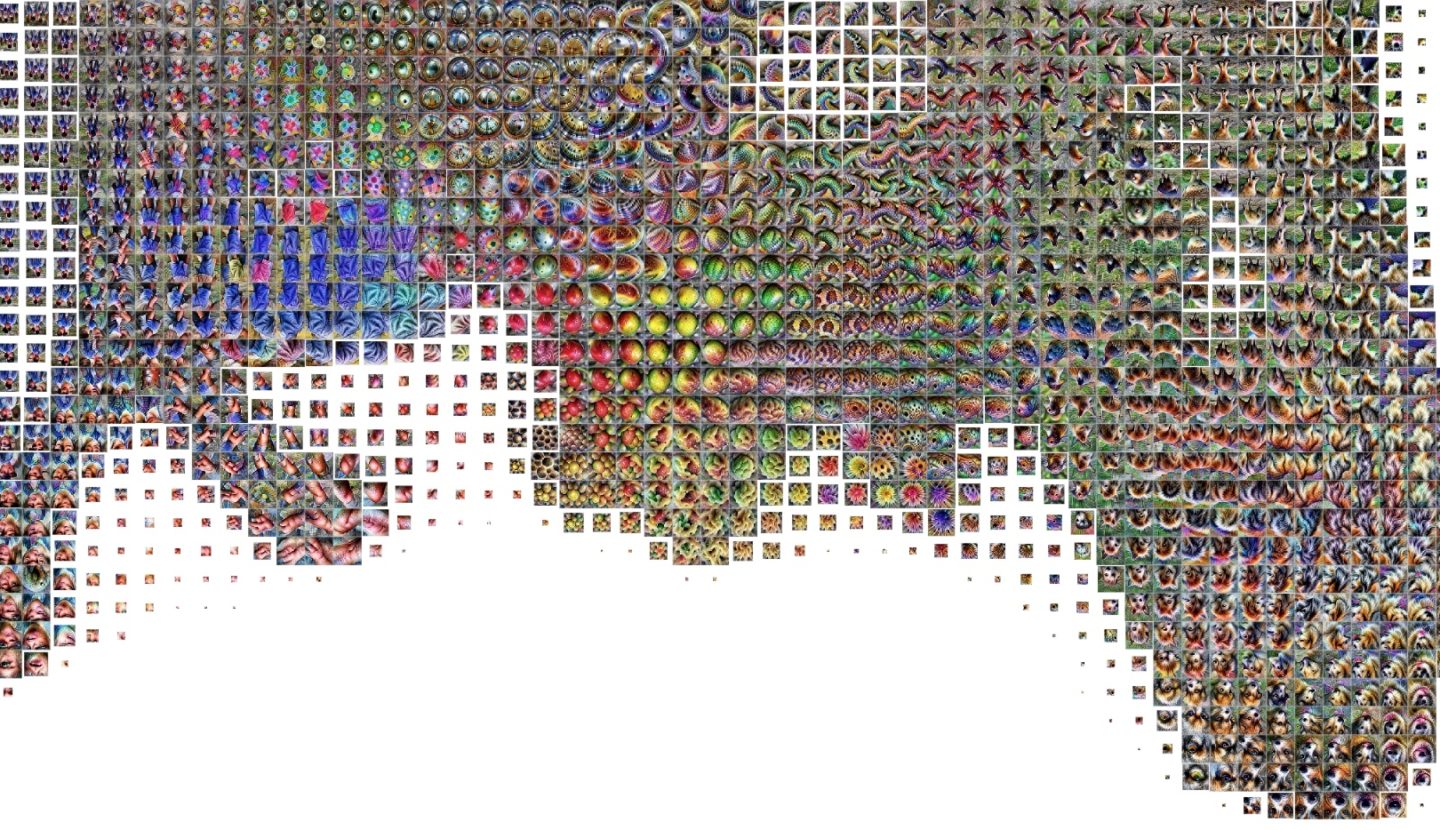
Today’s guest, Chris Olah, finds this both absurd and unacceptable. Over the last ten years he has been a leader in the effort to unravel what’s really going on inside these black boxes. As part of that effort he helped create the famous DeepDream visualisations at Google Brain, reverse engineered the CLIP image classifier at OpenAI, and is now continuing his work at Anthropic, a new $100 million research company that tries to “co-develop the latest safety techniques alongside scaling of large ML models”.
Despite having a huge fan base thanks to his tweets and lay explanations of ML, today’s episode is the first long interview Chris has ever given. It features his personal take on what we’ve learned so far about what ML algorithms are doing, and what’s next for this research agenda at Anthropic.
His decade of work has borne substantial fruit, producing an approach for looking inside the mess of connections in a neural network and back out what functional role each piece is serving. Among other things, Chris and team found that every visual classifier seems to converge on a number of simple common elements in their early layers — elements so fundamental they may exist in our own visual cortex in some form.

See a brief update Aug 2022.
In 2015, I argued that funding for effective altruism — especially within meta or longtermist areas — had grown faster than the number of people interested in it, and that this was likely to continue. This meant that there was a funding overhang, leading to a series of skill bottlenecks.
A couple of years ago, I wondered if this trend was starting to reverse. There hadn’t been any new donors on the scale of Good Ventures, which meant that total committed funds were growing slowly, giving the number of people a chance to catch up.
However, the spectacular asset returns of the last few years, and creation of FTX, seem to have shifted the balance back towards funding. Now the funding overhang seems even larger in absolute terms than 2015.
In the rest of this post, I make some rough guesses at total committed funds compared to the number of interested people, to see how the balance of funding vs. talent might have changed over time.
This will also give us an update on whether effective altruism is growing — with a focus on what I think are the two most important metrics: the stock of total committed funds, and committed people.
This analysis also made me make a small update in favour of giving now vs. investing to give later.
Here’s a summary of what’s coming up:

If you wanted to start a university department from scratch, and attract as many superstar researchers as possible, what’s the most attractive perk you could offer?
How about just not needing an email address?
According to today’s guest, Cal Newport — computer science professor and best-selling author of A World Without Email — it should seem obscene and absurd for a world-renowned vaccine researcher with decades of experience to spend a third of their time fielding requests from HR, building management, finance, and on and on. Yet with offices organised the way they are today, nothing could feel more natural.
But this isn’t just a problem at the elite level — it affects almost all of us. A typical U.S. office worker checks their email 80 times a day, or once every six minutes. Data analysis by RescueTime found that a third of users checked email or Slack every three minutes or more, averaged over a full work day.
Each time that happens our focus is broken, killing our momentum on the knowledge work we’re supposedly paid to do.
When we lament how much email and chat have reduced our focus, increased our anxiety and made our days a buzz of frenetic activity, we most naturally blame ‘weakness of will’. If only we had the discipline to check Slack and email once a day, all would be well — or so the story goes.
Cal believes that line of thinking fundamentally misunderstands how we got to a place where knowledge workers can rarely find more than five consecutive minutes to spend doing just one thing.

When people think of living ethically, they most often think of things like recycling, fair trade, and volunteering.
But that’s missing something huge: your choice of career.
We believe that what you do with your career is probably the most important ethical decision of your life.
This was true 10 years ago, but as we stand on the brink of human-level AI, we’ll argue it’s even more true today.
The first reason is the huge amount of time at stake. You have about 80,000 hours in your career: 40 hours per week, 50 weeks per year, for 40 years. That’s more time than you’ll spend eating, socialising, and watching Netflix put together.
And it means (unless you happen to be the heir to a large estate) that time is the biggest resource you have to help others.
So if you can increase the overall impact of your career by just a tiny amount, it will likely do more good than changes you could make to other parts of your life.
Or, to look at it another way, it’s worth thinking a lot about how to make even just small improvements to your career. For instance, if you could increase the impact of your career by 1%, it would be worth spending up to 800 hours working out how to do that.
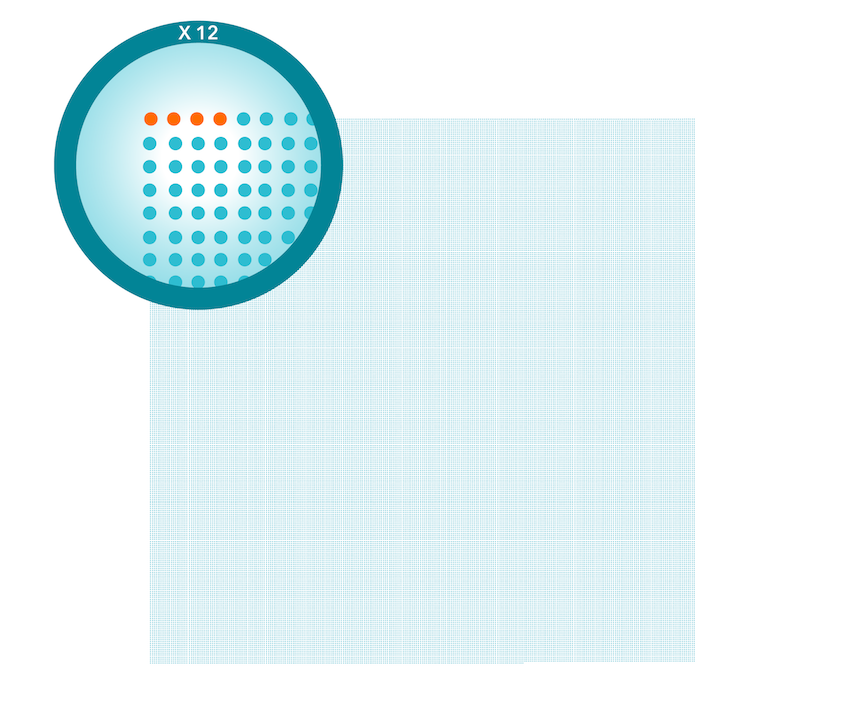 Each dot illustrates one of the 80,000 hours in your career.

The effective altruist research community tries to identify the highest impact things people can do to improve the world. Unsurprisingly, given the difficulty of such a massive and open-ended project, very different schools of thought have arisen about how to do the most good.
Today’s guest, Alexander Berger, leads Open Philanthropy’s ‘Global Health and Wellbeing’ programme, where he oversees around $175 million in grants each year, and ultimately aspires to disburse billions in the most impactful ways he and his team can identify.
This programme is the flagship effort representing one major effective altruist approach: try to improve the health and wellbeing of humans and animals that are alive today, in clearly identifiable ways, applying an especially analytical and empirical mindset.
The programme makes grants to tackle easily-prevented illnesses among the world’s poorest people, offer cash to people living in extreme poverty, prevent cruelty to billions of farm animals, advance biomedical science, and improve criminal justice and immigration policy in the United States.
Open Philanthropy’s researchers rely on empirical information to guide their decisions where it’s available, and where it’s not, they aim to maximise expected benefits to recipients through careful analysis of the gains different projects would offer and their relative likelihoods of success.
This ‘global health and wellbeing’ approach — sometimes referred to as ‘neartermism’ — contrasts with another big school of thought in effective altruism, known as ‘longtermism’, which aims to direct the long-term future of humanity and its descendants in a positive direction. Longtermism bets that while it’s harder to figure out how to benefit future generations than people alive today, the total number of people who might live in the future is far greater than the number alive today, and this gain in scale more than offsets that lower tractability.
80,000 Hours is considering hiring full-time writers who have demonstrable experience writing for the public and who have a preexisting interest in and understanding of our organisation’s priorities including longtermism and effective altruism.
This announcement is an expression of interest, rather than a role we have formally opened. Because of this, we have a high bar for responding to enquiries (see below), and typically won’t be able to respond.
If we don’t respond, please don’t take it as a rejection! You should feel very welcome to respond to future ads for 80,000 Hours positions.
80,000 Hours provides research and support to help people switch into careers that effectively tackle the world’s most pressing problems.
The 80,000 Hours website gets 1-2 million unique visitors and sees over 100,000 hours of reading time per year. We are also one of the top sources of new members of the effective altruism community.
If you join us as a writer, you’d likely be one of the most widely-read writers in effective altruism.
Writers at 80,000 Hours produce pieces that communicate important ideas and arguments, inform readers about pressing global problems, and give advice to help readers pursue high impact career paths.
Some examples:
When the first person with COVID-19 went to see a doctor in Wuhan, nobody could tell that it wasn’t a familiar disease like the flu — that we were dealing with something new.
How much death and destruction could we have avoided if we’d had a hero who could? That’s what the last Assistant Secretary of Defense Andy Weber asked on the show back in March.
Today’s guest Pardis Sabeti is a professor at Harvard, fought Ebola on the ground in Africa during the 2014 outbreak, runs her own lab, co-founded a company that produces next-level testing, and is even the lead singer of a rock band. If anyone is going to be that hero in the next pandemic — it just might be her.
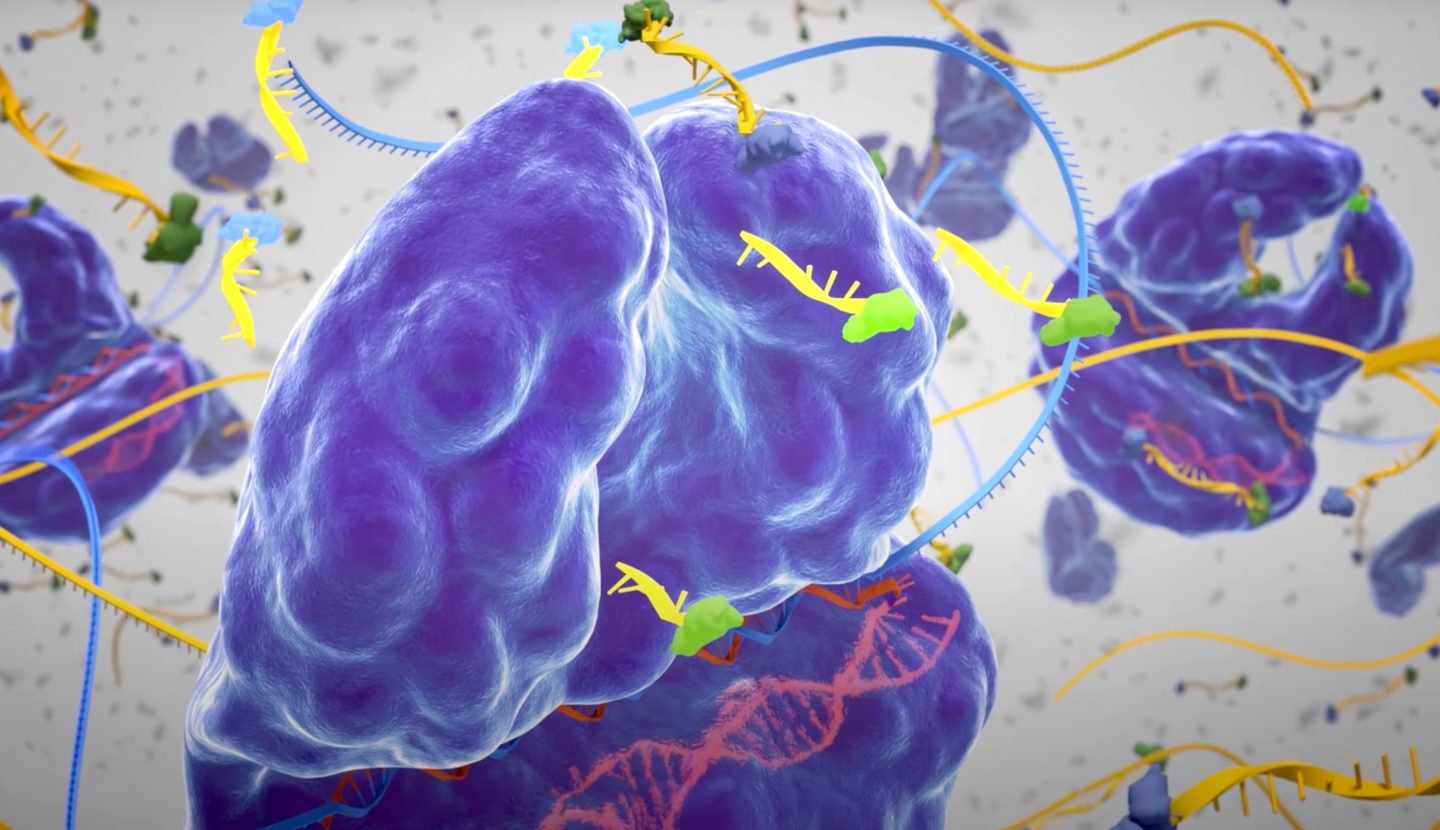
She is a co-author of the SENTINEL proposal, a practical system for detecting new diseases quickly, using an escalating series of three novel diagnostic techniques.
The first method, called SHERLOCK, uses CRISPR gene editing to detect familiar viruses in a simple, inexpensive filter paper test, using non-invasive samples.
If SHERLOCK draws a blank, we escalate to the second step, CARMEN, an advanced version of SHERLOCK that uses microfluidics and CRISPR to simultaneously detect hundreds of viruses and viral strains. More expensive, but far more comprehensive.
If neither SHERLOCK nor CARMEN detects a known pathogen, it’s time to pull out the big gun: metagenomic sequencing. More expensive still, but sequencing all the DNA in a patient sample lets you identify and track every virus — known and unknown — in a sample.

History is filled with stories of great people stepping up in times of crisis. Presidents averting wars; soldiers leading troops away from certain death; data scientists sleeping on the office floor to launch a new webpage a few days sooner.
That last one is barely a joke — by our lights, people like today’s guest Max Roser should be viewed with similar admiration by COVID-19 historians.
Max runs Our World in Data, a small education nonprofit which began the pandemic with just six staff. But since last February his team has supplied essential COVID statistics to over 130 million users — among them BBC, the Financial Times, The New York Times, the OECD, the World Bank, the IMF, Donald Trump, Tedros Adhanom, and Dr. Anthony Fauci, just to name a few.
An economist at Oxford University, Max Roser founded Our World in Data as a small side project in 2011 and has led it since, including through the wild ride of 2020. In today’s interview, Max explains how he and his team realized that if they didn’t start making COVID data accessible and easy to make sense of, it wasn’t clear when anyone would.
But Our World in Data wasn’t naturally set up to become the world’s go-to source for COVID updates. Up until then their specialty had been in-depth articles explaining century-length trends in metrics like life expectancy — to the point that their graphing software was only set up to present yearly data.
But the team eventually realized that the World Health Organization was publishing numbers that flatly contradicted themselves, most of the press was embarrassingly out of its depth, and countries were posting case data as images buried deep in their sites, where nobody would find them. Even worse, nobody was reporting or compiling how many tests different countries were doing, rendering all those case figures largely meaningless.