Communicating ideas
Many of the highest-impact people in history have been communicators and advocates of one kind or another.
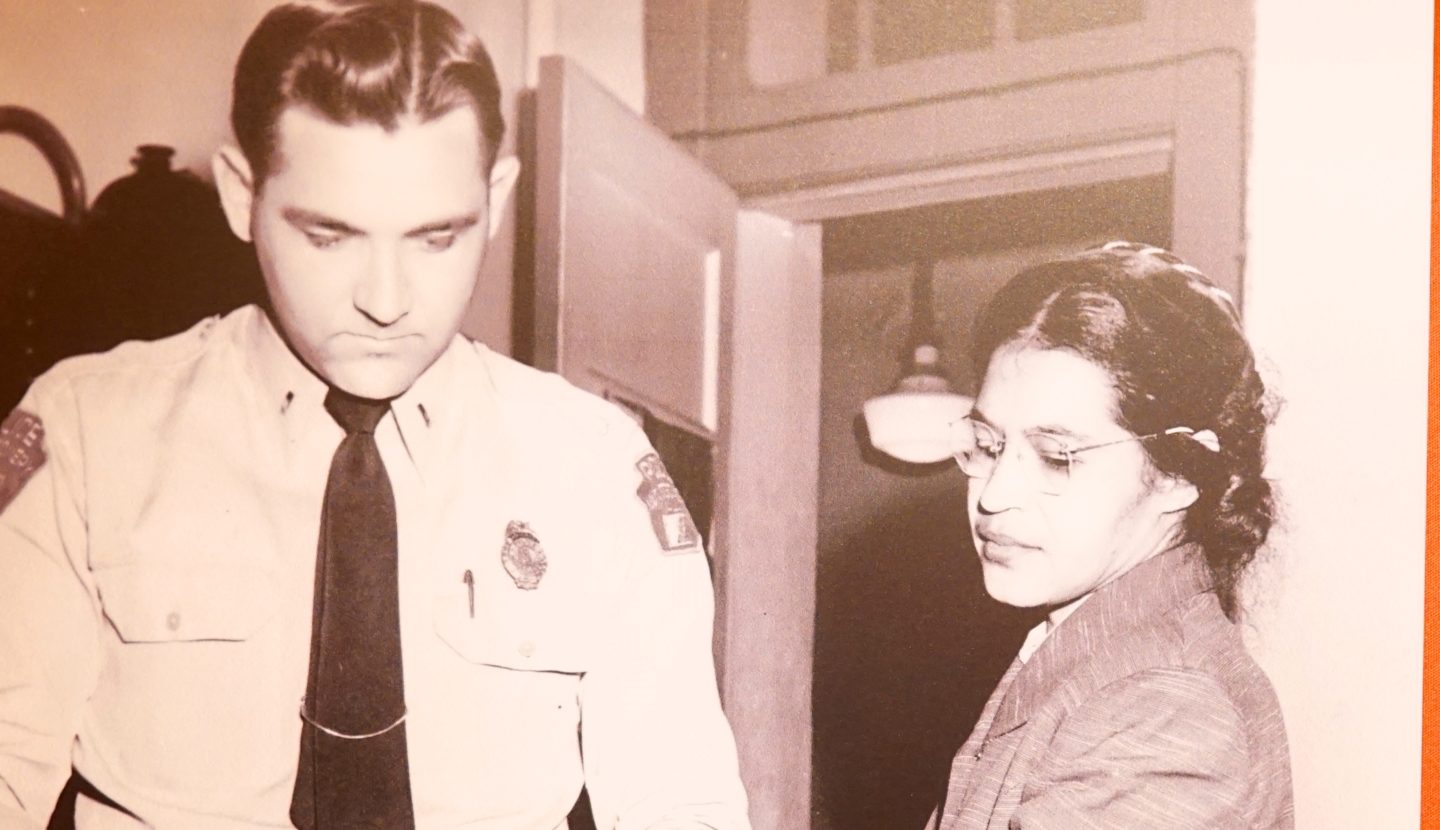
Take Rosa Parks, who in 1955 refused to give up her seat to a white man on a bus, sparking a protest which led to a Supreme Court ruling that segregated buses were unconstitutional. Parks was a seamstress in her day job, but in her spare time she was involved with the civil rights movement. When Parks sat down on that bus, she wasn’t acting completely spontaneously: just a few months before she’d been attending workshops on effective communication and civil disobedience, and the resulting boycott was carefully planned by Parks and the local NAACP. After she was arrested, they used widely distributed fliers to launch a total boycott of buses in a city with 40,000 African Americans, while simultaneously pushing forward with legal action. This led to major progress for civil rights.
There are many ways to communicate ideas. One is social advocacy, like Rosa Parks. Another is more like being an individual public intellectual, who can either specialise in a mass audience (like Carl Sagan), or a particular niche (like Paul Farmer, a medical anthropologist who wrote about global health). Or you can learn skills in marketing and public relations and then work as part of a team or organisation to spread important ideas.
Why are communication skills valuable?
In the 20th century, smallpox killed around 400 million people — far more than died in all the century’s wars and political famines.