Half-year update: Q1–Q2 2026
Table of Contents
Note: We wrote most of this update about a month ago, focusing on the first half of the year. We’ve recently been putting out a lot of new content in response to the fast-changing public sentiment around Hugging Face and existential risk — you can find some of that content on our landing page here, including our most popular video monologue to date.
Major updates
We’re growing our capacity to support our ambition
We think 80,000 Hours can deliver significantly more than it does today, so a big theme of the last (and next!) year has been growing our capacity to match those ambitions. Around 20 new staff joined in the first half of 2026, with hires across almost every team, and we’re setting up an in-house recruiting team to keep hiring at pace.
Some examples of what we’re doing (and plan to do) with this capacity include: releasing much more content, getting it from production to release faster, and experimenting with new formats; scaling headhunting and better tailoring it to what hiring managers need; and creating room to explore new products or programmes that seem especially promising.
We’re also making some changes to our senior leadership team and working to make our culture even more fast-moving and innovative. Michelle Hutchinson is now director of strategy and studio, Brenton Mayer has moved to director of special projects, and Sashika Coxhead has taken over as director of operations. Unfortunately, Arden Koehler, our long-time director of web, decided to move on from 80,000 Hours. Until we confirm a long-term director of web, Bella Forristal has taken over as interim director in addition to her role as director of growth.
Our latest product — the AI Advisor — is live
We’ve launched our AI Advisor which has been in beta since last year — meaning we can now offer personalised guidance to far more people than our advisors can speak with directly. The AI Advisor gives users personalised, research-based advice on career decisions, recommends job openings matched to their background, keeps track of their applications, lets them work through exercises from the career guide, and more. We’ve put a lot of work into the quality, including checks to make sure it doesn’t give users an unduly positive evaluation of their fit for roles. So far, 738 users have rated it an average of 6.1 out of 7.
Our updated career guide was released by Penguin and is now in bookstores
Our goal in republishing was to reach new users via launch publicity, prestige, and translations. We managed to achieve international bestseller status, hitting #3 on The Sunday Times list and making the USA Today list, but unfortunately missing out on The New York Times bestseller list. It’s now the most complete single introduction to our career advice, with new chapters on why AI is the most pressing issue facing society and how it will affect the job market. Up to the end of July, we’d sold ~15,000 copies, which is slightly above our modal prediction.
We’re investing in our Substack
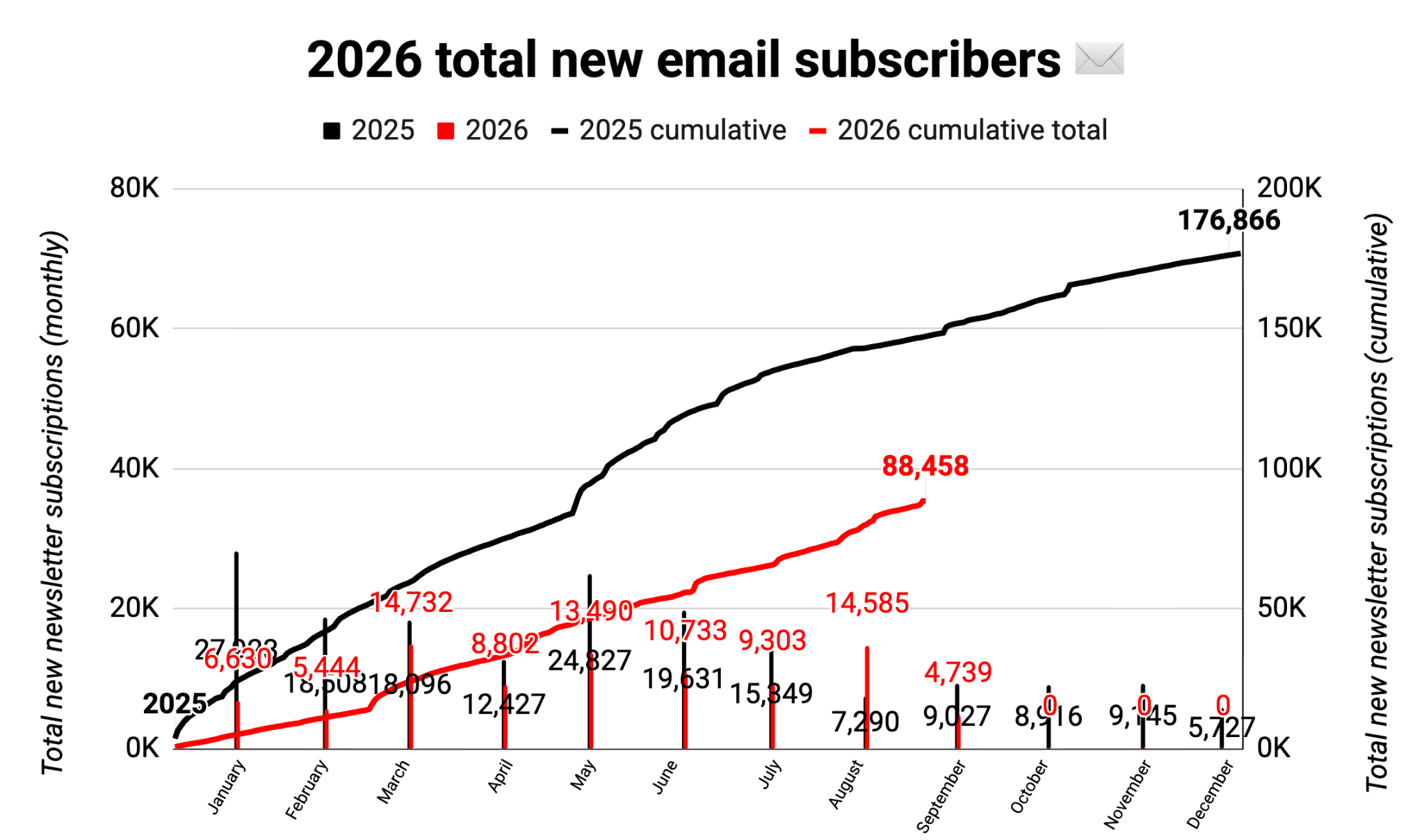
We’re using our Substack to reach the growing audience following the career advice and AI conversation there, and to host timelier writing than the evergreen advice on our website. It features guest posts from writers like Lawrence Chan alongside our own content, including profiles like this one on how to get into AI safety, effective career advice like how to become a better applicant, and topical pieces like the one on Ted Chiang and AI consciousness. We’re approaching 7,000 subscribers after six months, with 76% subscriber and 447% view count growth in Q3, mostly through discovery within Substack’s ecosystem.
Programmes and hiring updates
Studio (formerly Podcast)
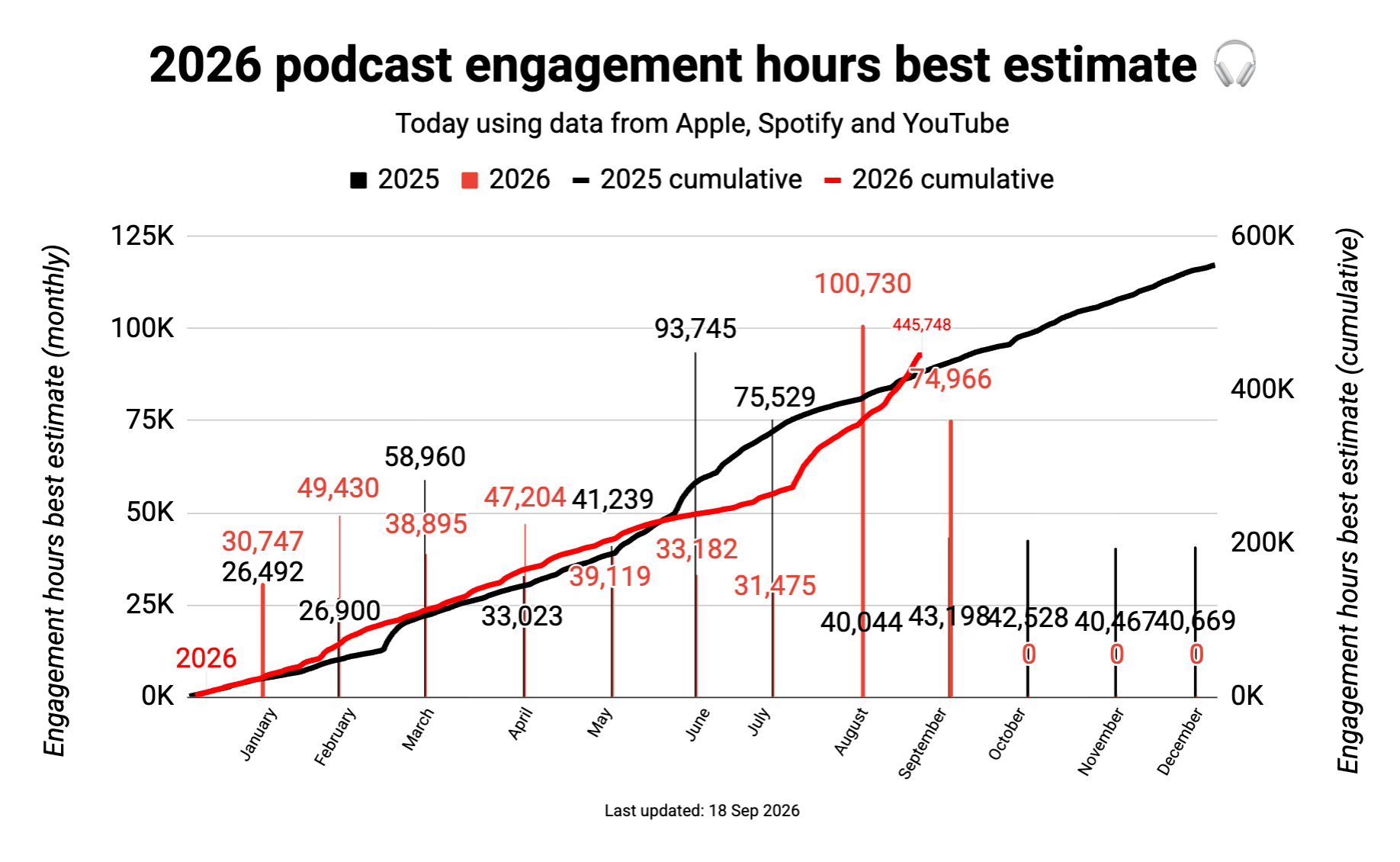
- We’ve renamed the podcast team to the studio team, reflecting our intention of putting out a large quantity and variety of content over the coming years.
- Tom Reed and Zershaaneh Qureshi joined as hosts, Nick Stockton and Elizabeth Cox joined as producers, Dominic Armstrong joined as production coordinator, and Lou Moran joined as studio associate.
- We’ve been experimenting with new formats: Rob’s monologues have been performing well (with his recent ‘What the hell happened with AGI timelines in 2026?‘ video becoming one of our most popular episodes to date, with over 150,000 views on YouTube), and Zershaaneh is testing debate-style content in Q3.
Video
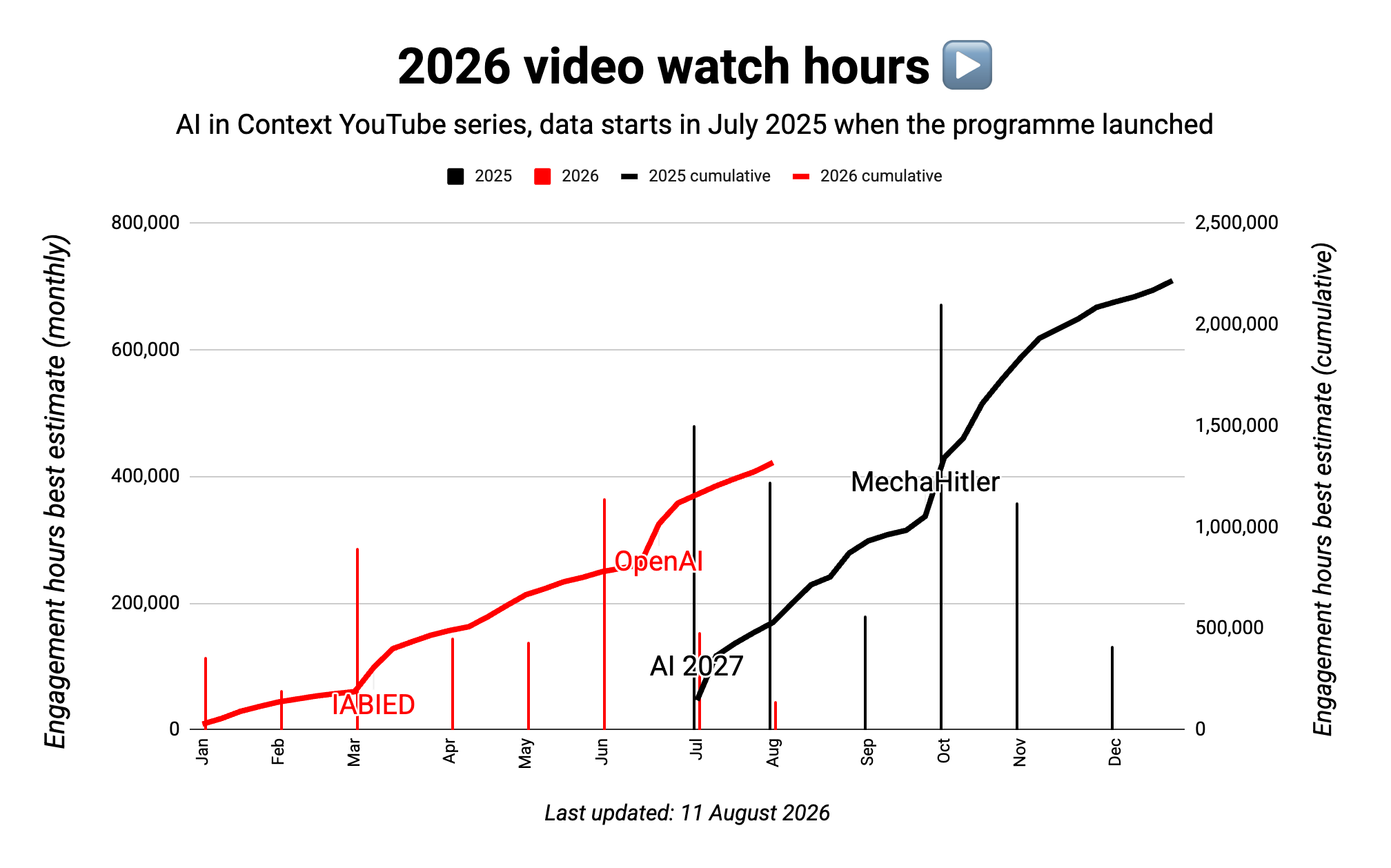
- We released two new videos on our AI in Context YouTube channel: one on the book If Anyone Builds It, Everyone Dies, and one on the OpenAI board drama.
- Our MechaHitler video won the Webby People’s Voice Award for Best Documentary Storytelling.
- Each of our four long-form videos has now passed two million views(!), with the AI in Context channel itself passing 400,000 subscribers and 20 million total views.
- We’ve been experimenting working with external scriptwriters. We’re also exploring a new channel with its own host, aimed at a younger audience.
Web
- Arden Koehler, who has led the web team for the last 5.5 years, has decided to move on from 80,000 Hours. Bella Forristal has taken over as interim director of web in addition to her role as director of growth.
- We’ve started prioritising content that targets people already concerned about AI and are looking for ways to help, leaving first exposure to higher-reach channels like AI in Context.
- We redesigned our career reviews page to make it easier to navigate, and published eight new reviews, including AI policy in the US government, AI security, and technical governance. We also published the updated career guide on our site alongside the book launch.
- We hired a new writer-researcher, a content associate, and product manager, and we’re hiring an additional writer-researcher.
Marketing and growth
- Our growth function has entered an exploration phase, systematically investigating new growth opportunities for 80,000 Hours — though we expect further progress here to be delayed while Bella runs the web team.
- In Q2, we also led on the launch of our career guide with Penguin.
- Some internal analysis has made us more confident in marketing’s impact, and in response we’ve ramped up marketing spend after deciding to reduce investment in Q2 2025.
- Coefficient Giving funded our marketing budget for the next year, and we’re hiring to support the scaleup.
Advising
- After a couple of advisors moved on, we ran a hiring push in Q2. We’re aiming to grow from two to six advisors, and have so far made two new hires: Carrick Flynn and Emily Dardaman. We also hired Louise Verkin as a programme specialist to maintain and improve the systems advising runs on.
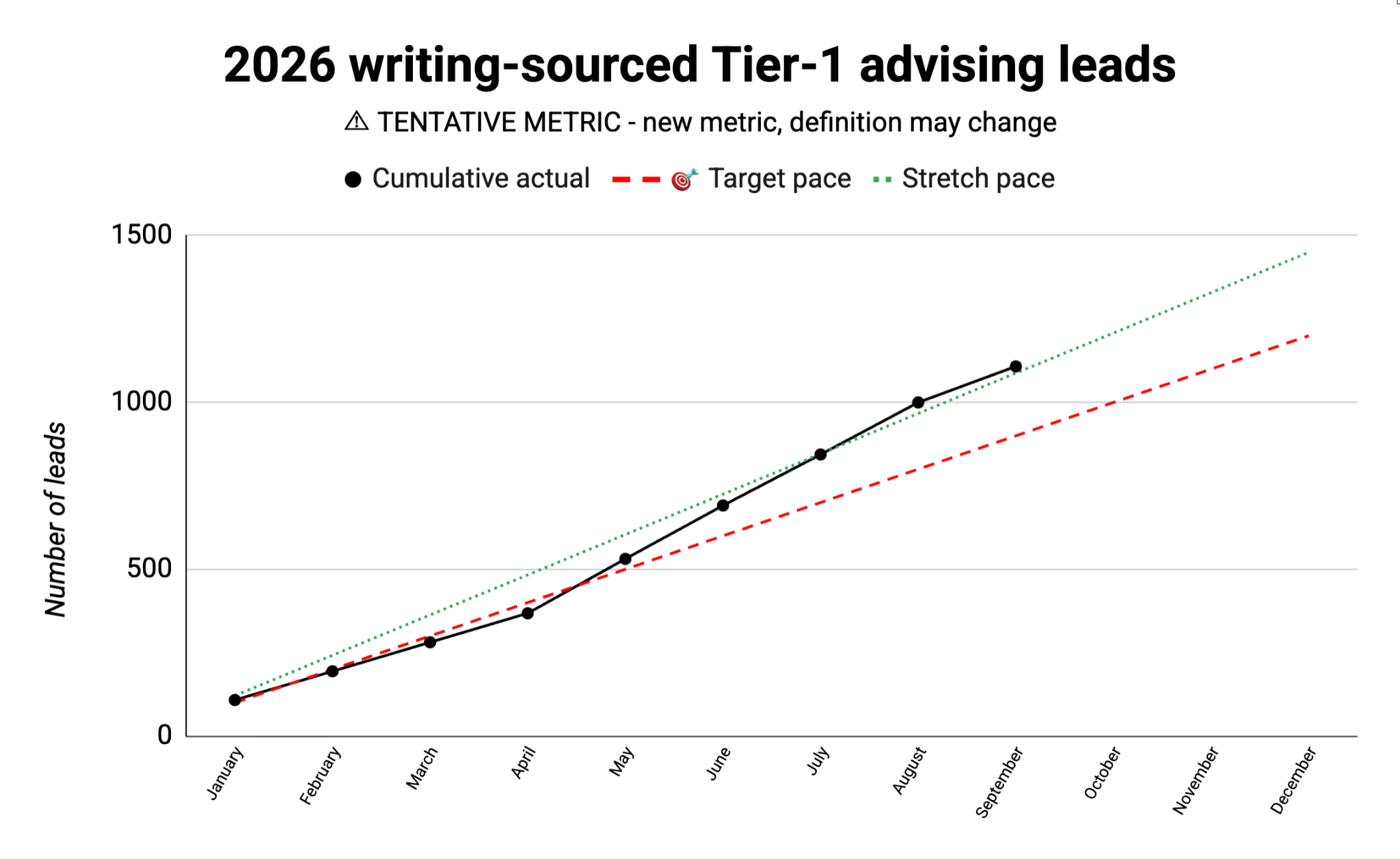
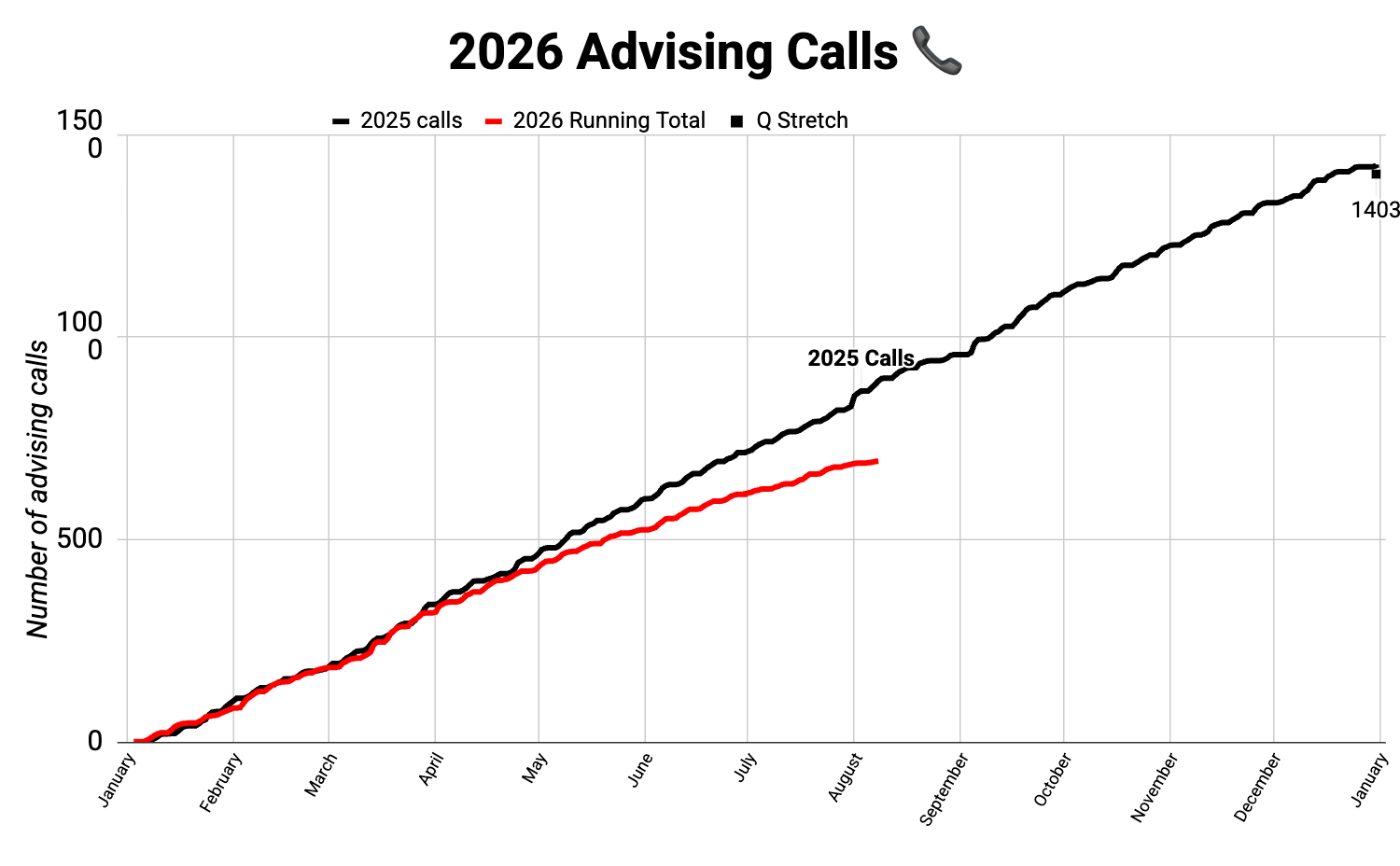
- We delivered around 500 calls in the first half of the year, and hope that hiring will increase this rate — due to our low capacity we’ve unfortunately had to defer some applicants who met our normal bar, asking them to reapply in a couple of months.
Headhunting
- The headhunting team runs candidate searches for high-priority roles using a database of ~17,000 candidates, and combines LLM-driven evaluation with human review. The level of human review is calibrated to the impact of the role: searches range from fully automated to human curated.
- So far, we’ve learnt of 19 counterfactual placements in 2025 — cases where our search resulted in someone taking a role the hiring organisation likely wouldn’t have otherwise identified.
- We’re aiming to significantly increase this team’s output because we currently only run searches for around half the roles we think matter most, and because the hires that do happen through headhunting look particularly unlikely to have happened otherwise.
- We brought on Brian Tan as a headhunting product specialist to oversee search delivery, and we’re now hiring for multiple roles: a talent database lead, 1–3 headhunting specialists/associates to deliver searches, and an additional product specialist.
Job board
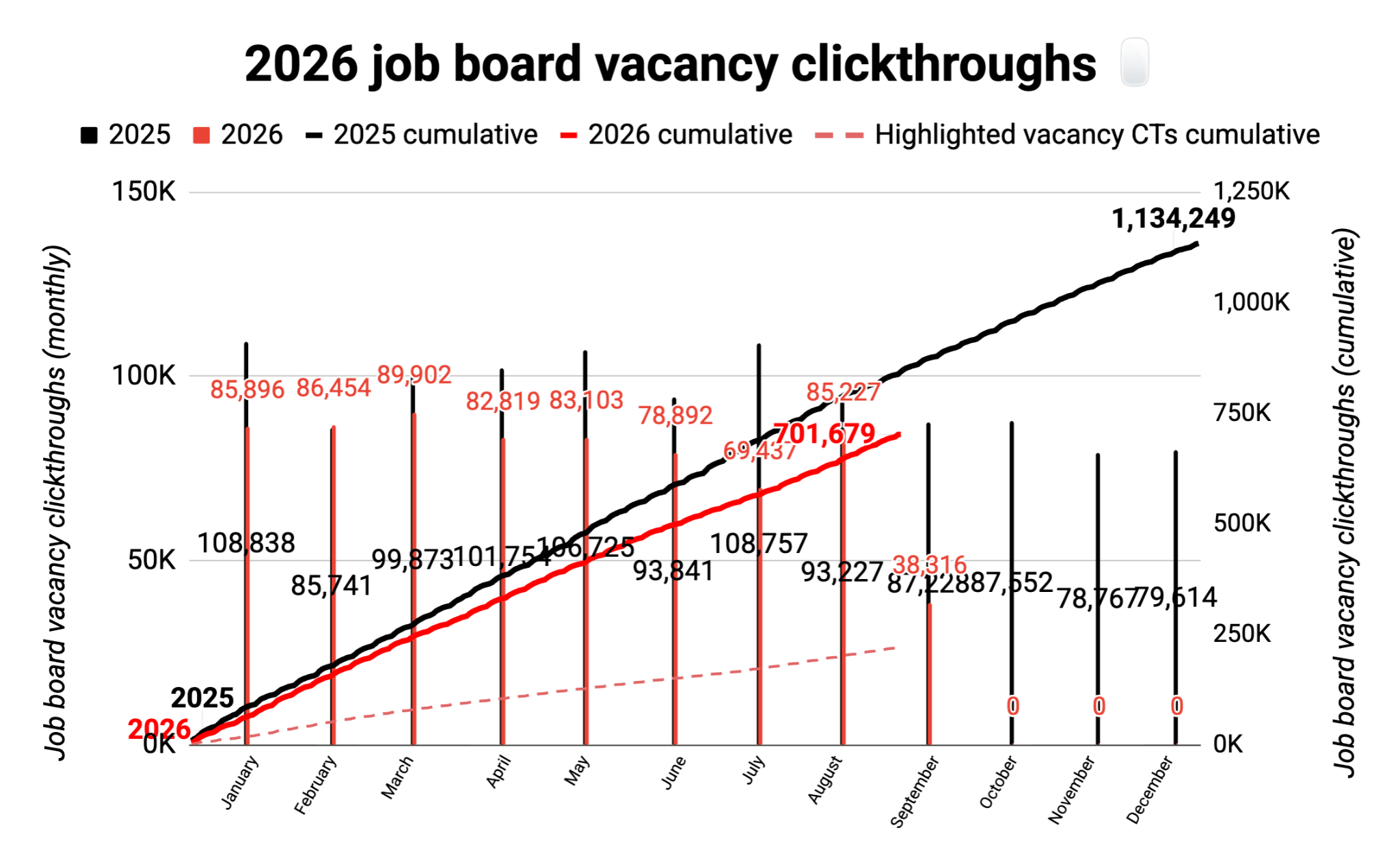
- In July, we brought the job board more in line with our focus on making advanced AI go well: we no longer post higher-experience roles in global health, animal welfare, and climate change, though we’ve kept early-career roles in those areas since we think much of their value comes from career capital. You can read more about the reasoning behind the change in this blog post.
- We now list courses on the main job board, which help people with promising skill sets build context in areas like AI safety.
- So far in 2026, we’ve learnt of 28 full-time placements; 31 part-time, fellowship, internship, or funding placements; and 57 course and programme placements. Compared to what we knew at this point last year, this indicates a drop in full-time placements, and growth in fellowships and course placements.
AI products
- The AI Advisor (covered in the major updates above) is the work of our AI products team, which has grown from an experimental one-person effort into an established three-person subteam within career services.
Operations
- Sashika Coxhead, previously head of people, became director of operations in June. Brenton Mayer, who has led our operations team since 2019, moved into a new role as director of special projects, focusing full time on high priority projects across the org.
- Inés Fernandez stepped into a new role as recruiting lead.
- We launched a multi-role hiring round across our business operations, people operations, and recruiting teams. So far, we’ve:
- Hired Sam Pickering and Sara Recktenwald to the business operations team.
- Hired Anna Lopez to the recruiting team.
- We closed our 2025 financial accounts and completed 80,000 Hours’s first audit as an independent organisation.
Content highlights
A few standouts from our recent content:
- An updated comprehensive introduction to How AI could create the world’s biggest problems (problem profile)
- You really should, unfortunately, be worried about Sam Altman (AI in Context video)
- Ajeya Cotra on whether it’s crazy that every AI company’s safety plan is ‘use AI to make AI safe’ (podcast episode)
You can find all our content releases here.
Key metrics for 2026