‘Replaceability’ isn’t as important as you might think (or we’ve suggested)

When we started 80,000 Hours, one of the key ideas we presented was the replaceability argument:
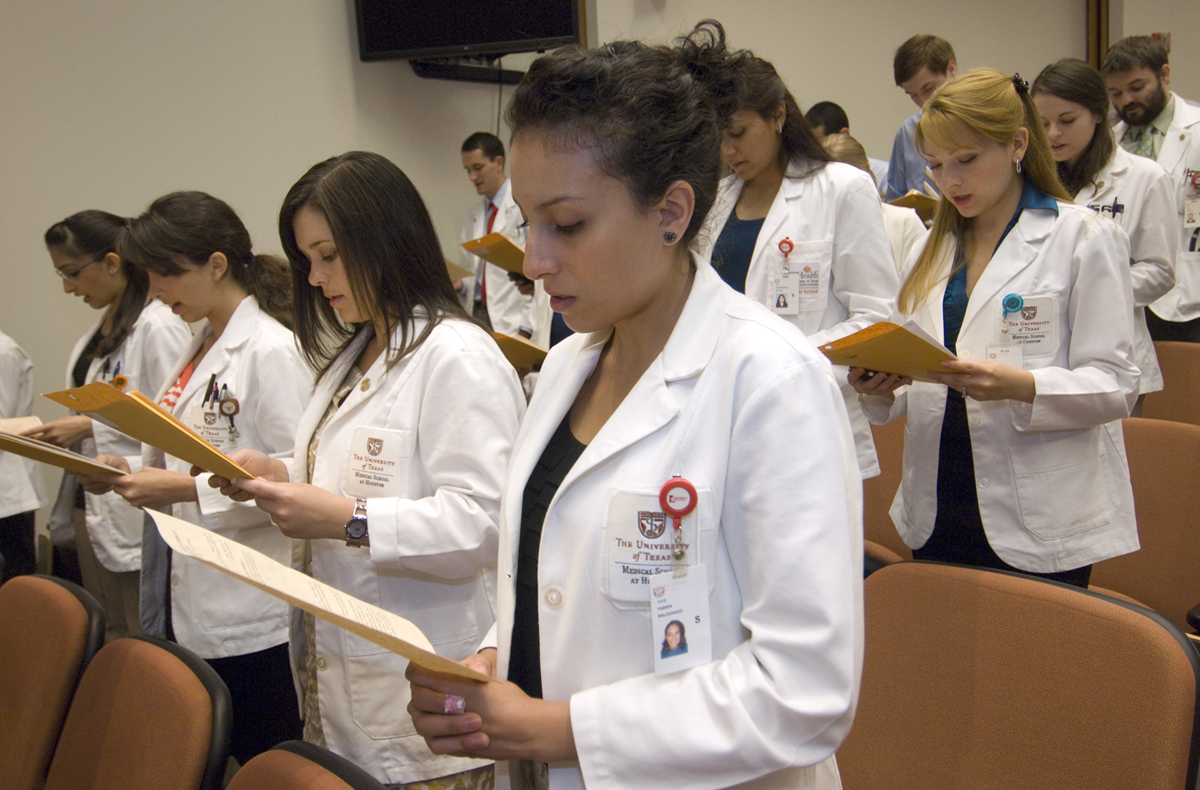
Suppose you become a surgeon and perform 100 life saving operations. Naively it seems like your impact is to save 100 people’s lives. If you hadn’t taken the job, however, someone else likely would have taken it instead. So your true (counterfactual) impact is less than the good you do directly.
I still think this is a good argument, but I’m not sure how relevant it is when comparing real career options.
In particular, I see the argument often being used incorrectly in the following two ways:
- Ignoring direct harm: Suppose you’re considering taking a job that some people think is harmful (e.g. certain parts of the financial sector) in order to donate, do advocacy or build skills. You reason “if I don’t take the job, someone else will instead, so the potential harm I’ll do directly doesn’t matter”.
Ignoring direct impact: Suppose you’re considering working at a high-impact nonprofit. You reason “if I don’t take the job, someone else will instead, so I won’t have much impact.”
I disagree with both of these claims in most circumstances. Why?