#93 – Andy Weber on rendering bioweapons obsolete and ending the new nuclear arms race
COVID-19 has provided a vivid reminder of the damage biological threats can do. But the threat doesn’t come from natural sources alone. Weaponized contagious diseases — which were abandoned by the United States, but developed in large numbers by the Soviet Union, right up until its collapse — have the potential to spread globally and kill just as many as an all-out nuclear war.
For five years, today’s guest, Andy Weber, was the US’ Assistant Secretary of Defense responsible for biological and other weapons of mass destruction. While people primarily associate the Pentagon with waging wars (including most within the Pentagon itself) Andy is quick to point out that you don’t have national security if your population remains at grave risk from natural and lab-created diseases.
Andy’s current mission is to spread the word that while bioweapons are terrifying, scientific advances also leave them on the verge of becoming an outdated technology.
He thinks there is an overwhelming case to increase our investment in two new technologies that could dramatically reduce the risk of bioweapons, and end natural pandemics in the process: mass genetic sequencing and mRNA vaccines.
First, advances in mass genetic sequencing technology allow direct, real-time analysis of DNA or RNA fragments collected from all over the human environment. You cast a wide net, and if you start seeing DNA sequences that you don’t recognise spreading through the population — that can set off an alarm.
Andy notes that while the necessary desktop sequencers may be expensive enough that they’re only in hospitals today, they’re rapidly getting smaller, cheaper, and easier to use. In fact DNA sequencing has recently experienced the most dramatic cost decrease of any technology, declining by a factor of 10,000 since 2007. It’s only a matter of time before they’re cheap enough to put in every home.
In the world Andy envisions, each morning before you brush your teeth you also breathe into a tube. Your sequencer can tell you if you have any of 300 known pathogens, while simultaneously scanning for any unknown viruses. It’s hooked up to your WiFi and reports into a public health surveillance system, which can check to see whether any novel DNA sequences are being passed from person to person. New contagious diseases can be detected and investigated within days — long before they run out of control.
The second major breakthrough comes from mRNA vaccines, which are today being used to end the COVID pandemic. The wonder of mRNA vaccines is that they can instruct our cells to make any random protein we choose and trigger a protective immune response from the body.
Until now it has taken a long time to invent and test any new vaccine, and there was then a laborious process of scaling up the equipment necessary to manufacture it. That leaves a new disease or bioweapon months or years to wreak havoc.
But using the sequencing technology above, we can quickly get the genetic codes that correspond to the surface proteins of any new pathogen, and switch them into the mRNA vaccines we’re already making. Inventing a new vaccine would become less like manufacturing a new iPhone and more like printing a new book — you use the same printing press and just change the words.
So long as we maintained enough capacity to manufacture and deliver mRNA vaccines, a whole country could in principle be vaccinated against a new disease in months.
Together these technologies could make advanced bioweapons a threat of the past. And in the process humanity’s oldest and deadliest enemy — contagious disease — could be brought under control like never before.
Andy has always been pretty open and honest, but his retirement last year has allowed him to stop worrying about being seen to speak for the Department of Defense, or for the president of the United States – and so we were also able to get his forthright views on a bunch of interesting other topics, such as:
- The chances that COVID-19 escaped from a research facility
- Whether a US president can really truly launch nuclear weapons unilaterally
- What he thinks should be the top priorities for the Biden administration
- If Andy was 18 and starting his career over again today, what would his plan be?
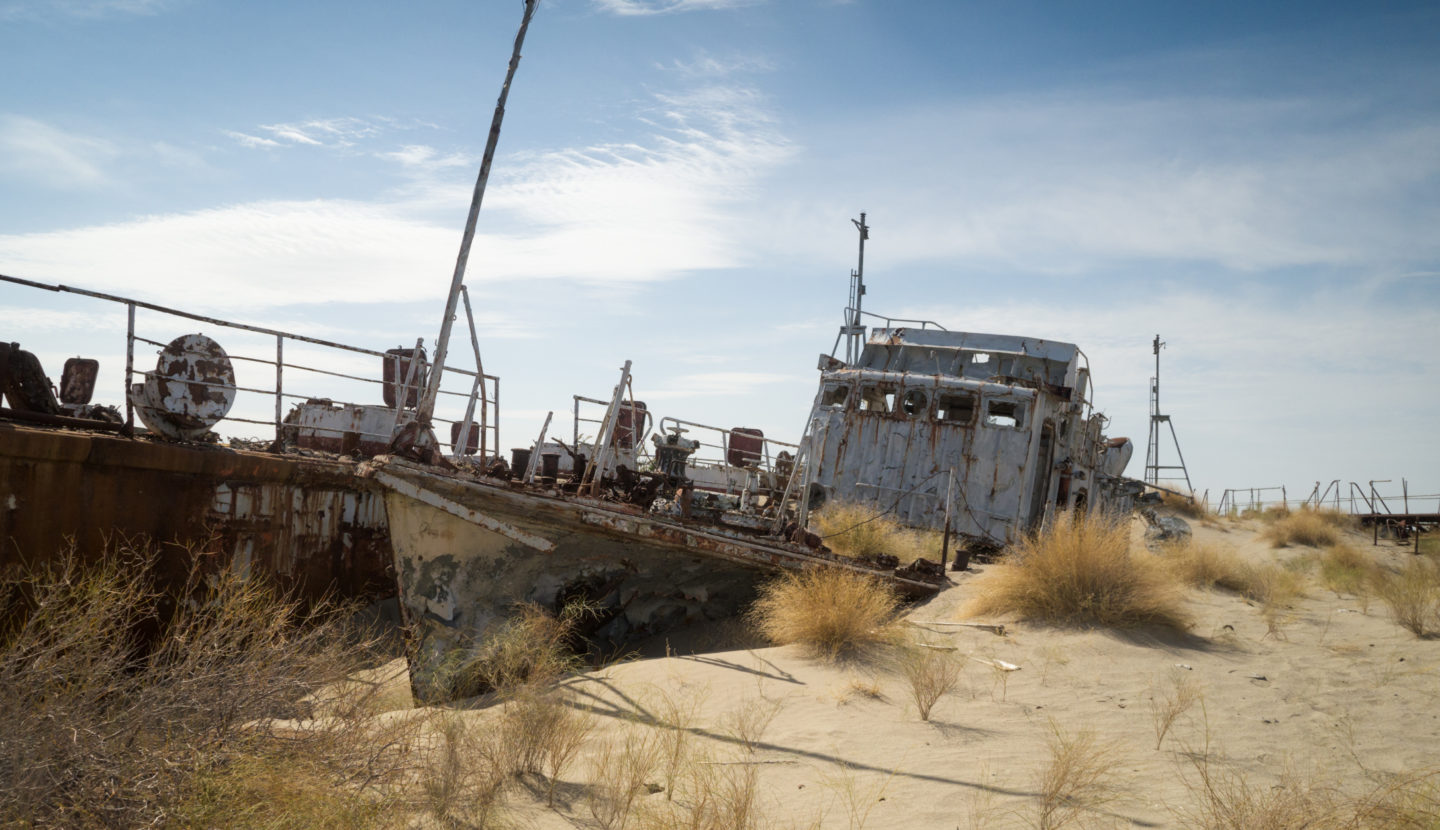
- The time he and colleagues found 600kg of unsecured, highly enriched uranium sitting around in a barely secured facility in Kazakhstan, and eventually transported it to the United States
- And much more.
Get this episode by subscribing to our podcast on the world’s most pressing problems and how to solve them: Type 80,000 Hours into your podcasting app. Or read the transcript below.
Producer: Keiran Harris
Audio mastering: Ben Cordell
Transcriptions: Sofia Davis-Fogel