#153 – Elie Hassenfeld on two big-picture critiques of GiveWell’s approach, and six lessons from their recent work
GiveWell is one of the world’s best-known charity evaluators, with the goal of “searching for the charities that save or improve lives the most per dollar.” It mostly recommends projects that help the world’s poorest people avoid easily prevented diseases, like intestinal worms or vitamin A deficiency.
But should GiveWell, as some critics argue, take a totally different approach to its search, focusing instead on directly increasing subjective wellbeing, or alternatively, raising economic growth?
Today’s guest — cofounder and CEO of GiveWell, Elie Hassenfeld — is proud of how much GiveWell has grown in the last five years. Its ‘money moved’ has quadrupled to around $600 million a year.
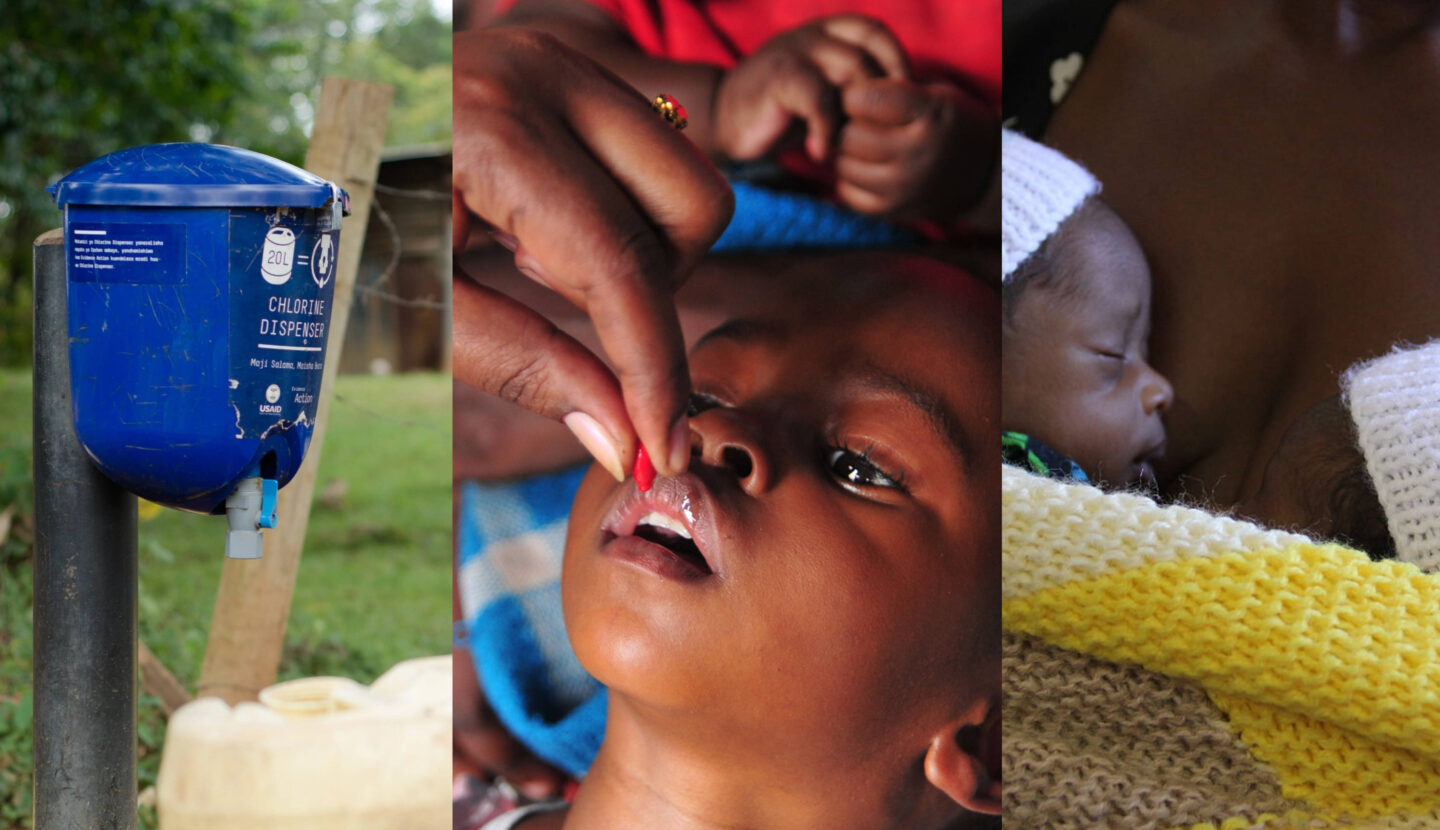
Its research team has also more than doubled, enabling them to investigate a far broader range of interventions that could plausibly help people an enormous amount for each dollar spent. That work has led GiveWell to support dozens of new organisations, such as Kangaroo Mother Care, MiracleFeet, and Dispensers for Safe Water.
But some other researchers focused on figuring out the best ways to help the world’s poorest people say GiveWell shouldn’t just do more of the same thing, but rather ought to look at the problem differently.
Currently, GiveWell uses a range of metrics to track the impact of the organisations it considers recommending — such as ‘lives saved,’ ‘household incomes doubled,’ and for health improvements, the ‘quality-adjusted life year.’ To compare across opportunities, it then needs some way of weighing these different types of benefits up against one another. This requires estimating so-called “moral weights,” which Elie agrees is far from the most mature part of the project.
The Happier Lives Institute (HLI) has argued that instead, GiveWell should try to cash out the impact of all interventions in terms of improvements in subjective wellbeing. According to HLI, it’s improvements in wellbeing and reductions in suffering that are the true ultimate goal of all projects, and if you quantify everyone on this same scale, using some measure like the wellbeing-adjusted life year (WELLBY), you have an easier time comparing them.
This philosophy has led HLI to be more sceptical of interventions that have been demonstrated to improve health, but whose impact on wellbeing has not been measured, and to give a high priority to improving lives relative to extending them.
An alternative high-level critique is that really all that matters in the long run is getting the economies of poor countries to grow. According to this line of argument, hundreds of millions fewer people live in poverty in China today than 50 years ago, but is that because of the delivery of basic health treatments? Maybe a little), but mostly not.
Rather, it’s because changes in economic policy and governance in China allowed it to experience a 10% rate of economic growth for several decades. That led to much higher individual incomes and meant the country could easily afford all the basic health treatments GiveWell might otherwise want to fund, and much more besides.
On this view, GiveWell should focus on figuring out what causes some countries to experience explosive economic growth while others fail to, or even go backwards. Even modest improvements in the chances of such a ‘growth miracle’ will likely offer a bigger bang-for-buck than funding the incremental delivery of deworming tablets or vitamin A supplements, or anything else.
Elie sees where both of these critiques are coming from, and notes that they’ve influenced GiveWell’s work in some ways. But as he explains, he thinks they underestimate the practical difficulty of successfully pulling off either approach and finding better opportunities than what GiveWell funds today.
In today’s in-depth conversation, Elie and host Rob Wiblin cover the above, as well as:
- The research that caused GiveWell to flip from not recommending chlorine dispensers as an intervention for safe drinking water to spending tens of millions of dollars on them.
- What transferable lessons GiveWell learned from investigating different kinds of interventions, like providing medical expertise to hospitals in very poor countries to help them improve their practices.
- Why the best treatment for premature babies in low-resource settings may involve less rather than more medicine.
- The high prevalence of severe malnourishment among children and what can be done about it.
- How to deal with hidden and non-obvious costs of a programme, like taking up a hospital room that might otherwise have been used for something else.
- Some cheap early treatments that can prevent kids from developing lifelong disabilities, which GiveWell funds.
- The various roles GiveWell is currently hiring for, and what’s distinctive about their organisational culture.
Get this episode by subscribing to our podcast on the world’s most pressing problems and how to solve them: type ‘80,000 Hours’ into your podcasting app. Or read the transcript below.
Producer: Keiran Harris
Audio mastering: Simon Monsour and Ben Cordell
Transcriptions: Katy Moore