Video: The world’s biggest problems and why they’re not what first comes to mind
Learn more
READ NEXT: What are the world’s most urgent problems?
The full article this video came from: Want to do good? Here’s how to choose an area to focus on


Learn more
READ NEXT: What are the world’s most urgent problems?
The full article this video came from: Want to do good? Here’s how to choose an area to focus on
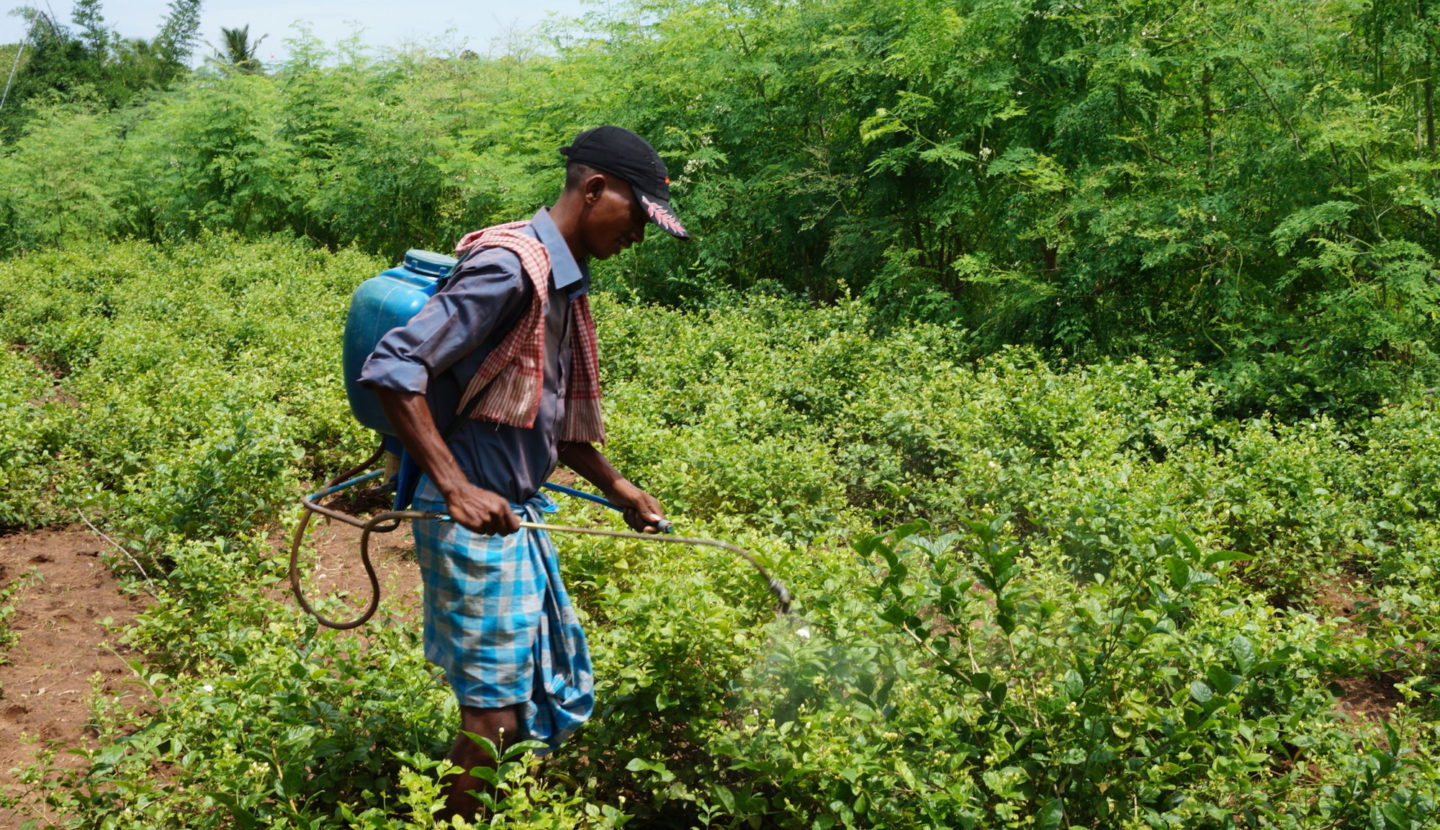
How people kill themselves varies enormously depending on which means are most easily available. In the United States, suicide by firearm stands out. In Hong Kong, where most people live in high rise buildings, jumping from a height is more common. And in some countries in Asia and Africa with many poor agricultural communities, the leading means is drinking pesticide.
There’s a good chance you’ve never heard of this issue before. And yet, of the 800,000 people who kill themselves globally each year 20% die from pesticide self-poisoning.
Research suggests most people who try to kill themselves with pesticides reflect on the decision for less than 30 minutes, and that less than 10% of those who don’t die the first time around will try again.
Unfortunately, the fatality rate from pesticide ingestion is 40% to 70%.
Having such dangerous chemicals near people’s homes is therefore an enormous public health issue not only for the direct victims, but also the partners and children they leave behind.
Fortunately researchers like Dr Leah Utyasheva have figured out a very cheap way to massively reduce pesticide suicide rates.
In 2016, Leah co-founded the first organisation focused on this problem – The Centre for Pesticide Suicide Prevention – which recently received an incubation grant from GiveWell. She’s a human rights expert and law reform specialist, and has participated in drafting legal aid, human rights, gender equality, and anti-discrimination legislation in various countries across Europe and Canada.
In this episode, Leah and I discuss:
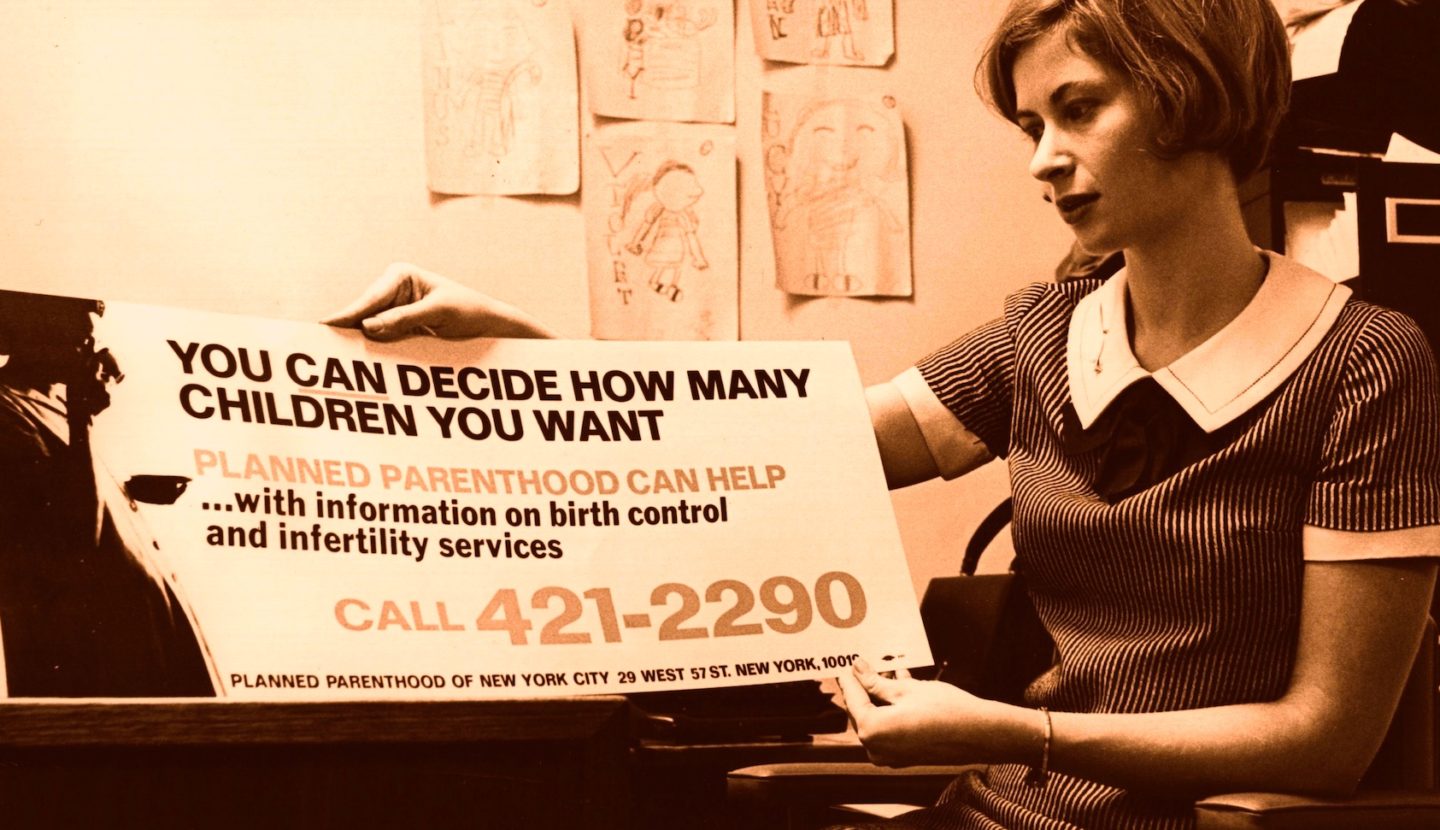
The Green Revolution averted mass famine during the 20th century. The contraceptive pill gave women unprecedented freedom in planning their own lives. Both are widely recognised as scientific breakthroughs that transformed the world. But few know that those breakthroughs only happened when they did because of two donors willing to take risky bets on new ideas.
Today’s guest, Holden Karnofsky, has been looking for philanthropy’s biggest success stories because he’s Executive Director of Open Philanthropy, which gives away over $100 million per year – and he’s hungry for big wins.
As he learned, in the 1940s, poverty reduction overseas was not a big priority for many. But the Rockefeller Foundation decided to fund agricultural scientists to breed much better crops for the developing world – thereby massively increasing their food production.
Similarly in the 1950s, society was a long way from demanding effective birth control. Activist Margaret Sanger had the idea for the pill, and endocrinologist Gregory Pincus the research team – but they couldn’t proceed without a $40,000 research check from biologist and women’s rights activist Katherine McCormick.
In both cases, it was philanthropists rather than governments that led the way.
The reason, according to Holden, is that while governments have enormous resources, they’re constrained by only being able to fund reasonably sure bets. Philanthropists can transform the world by filling the gaps government leaves – but to seize that opportunity they have to hire the best researchers, think long-term and be willing to fail most of the time.

In summary, we don’t normally recommend earning to give in commercial law. First, we think earning to give isn’t usually the highest-impact path in our current list of pressing global problems – talent gaps are more urgent. Second, even if you do decide to earn to give, commercial law doesn’t seem like the best option. While high-end firms can offer exceptional earning potential, this often comes at the cost of lower job satisfaction, limited direct impact, less flexible career capital, and high initial training costs.
Unless you are an unusually good fit — by, for example, having exceptional verbal skills and a proven interest in the field — there are likely to be better options available.
In particular, if you want to keep your options open and your earnings high, consulting seems to be preferable: It offers comparable earnings, higher job satisfaction, and more flexible career capital.
Before the US Civil War, it was easier for the North to morally oppose slavery. Why? Because unlike the South they weren’t profiting much from its existence. The fight for abolition was partly won because many no longer saw themselves as having a selfish stake in its continuation.
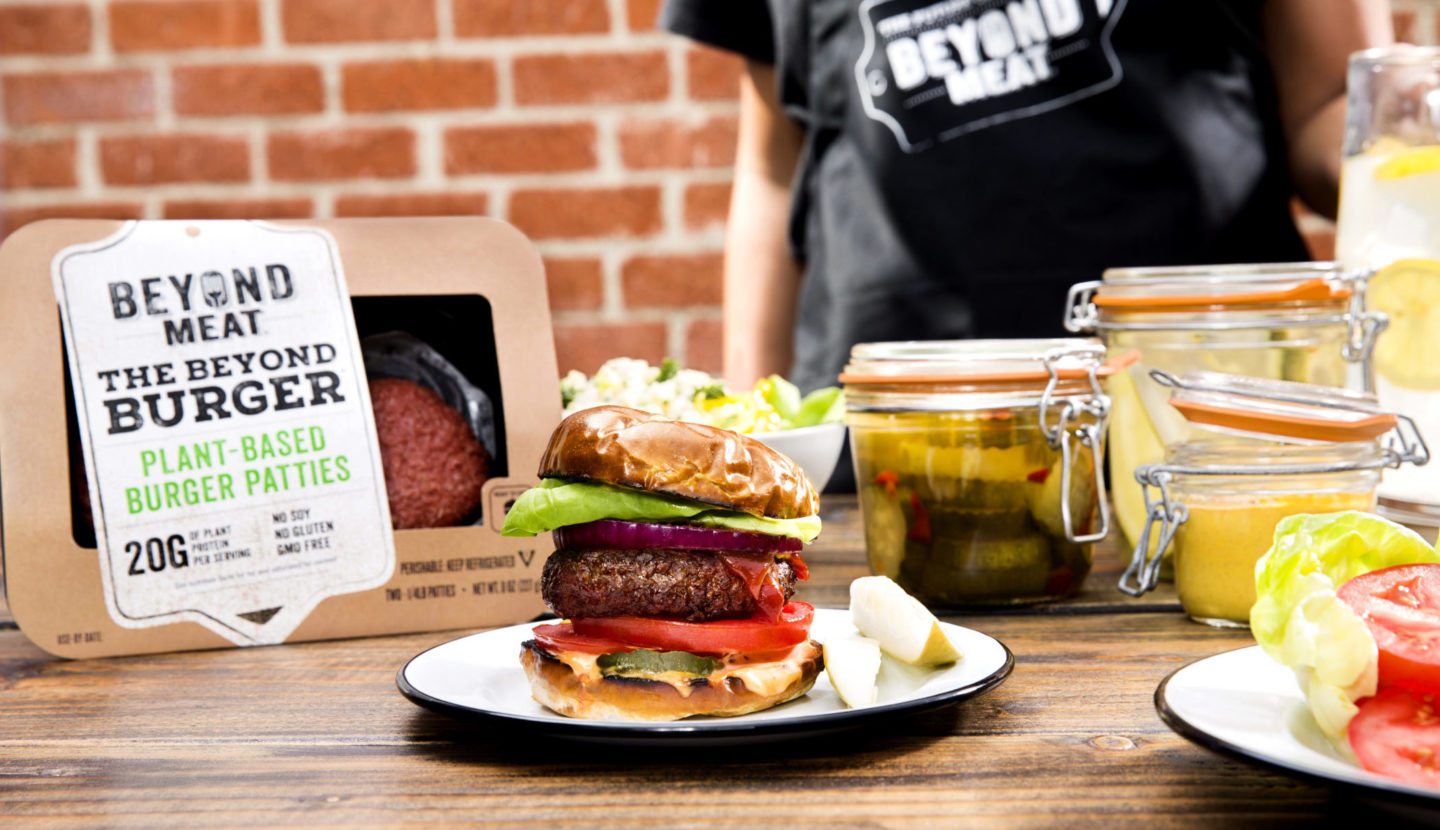
Bruce Friedrich, executive director of The Good Food Institute (GFI), thinks the same may be true in the fight against speciesism. 98% of people currently eat meat. But if eating meat stops being part of most people’s daily lives — it should be a lot easier to convince them that farming practices are just as cruel as they look, and that the suffering of these animals really matters.
That’s why GFI is “working with scientists, investors, and entrepreneurs” to create plant-based meat, dairy and eggs as well as clean meat alternatives to animal products. In 2016, Animal Charity Evaluators named GFI one of its recommended charities.
In this interview I’m joined by my colleague Natalie Cargill, and we ask Bruce about:

Rogue elements within a state’s security forces enrich dozens of kilograms of uranium. It’s then assembled into a crude nuclear bomb. The bomb is transported on a civilian aircraft to Washington D.C, and loaded onto a delivery truck. The truck is driven by an American citizen midway between the White House and the Capitol Building. The driver casually steps out of the vehicle, and detonates the weapon. There are more than 80,000 instant deaths. There are also at least 100,000 seriously wounded, with nowhere left to treat them.
It’s likely that one of those immediately killed would be Samantha Pitts-Kiefer, who works only one block away from the White House.
Samantha serves as Senior Director of The Global Nuclear Policy Program at the Nuclear Threat Initiative, and warns that the chances of a nuclear terrorist attack are alarmingly high. Terrorist groups have expressed a desire for nuclear weapons, and the material required to build those weapons is scattered throughout the world at a diverse range of sites – some of which lack the necessary security.
When you combine the massive death toll with the accompanying social panic and economic disruption – a nuclear 9/11 would be unthinkably bad. And yet, Samantha reminds us, we must confront the possibility.
Clearly, this is far from the only nuclear nightmare. We also discuss:
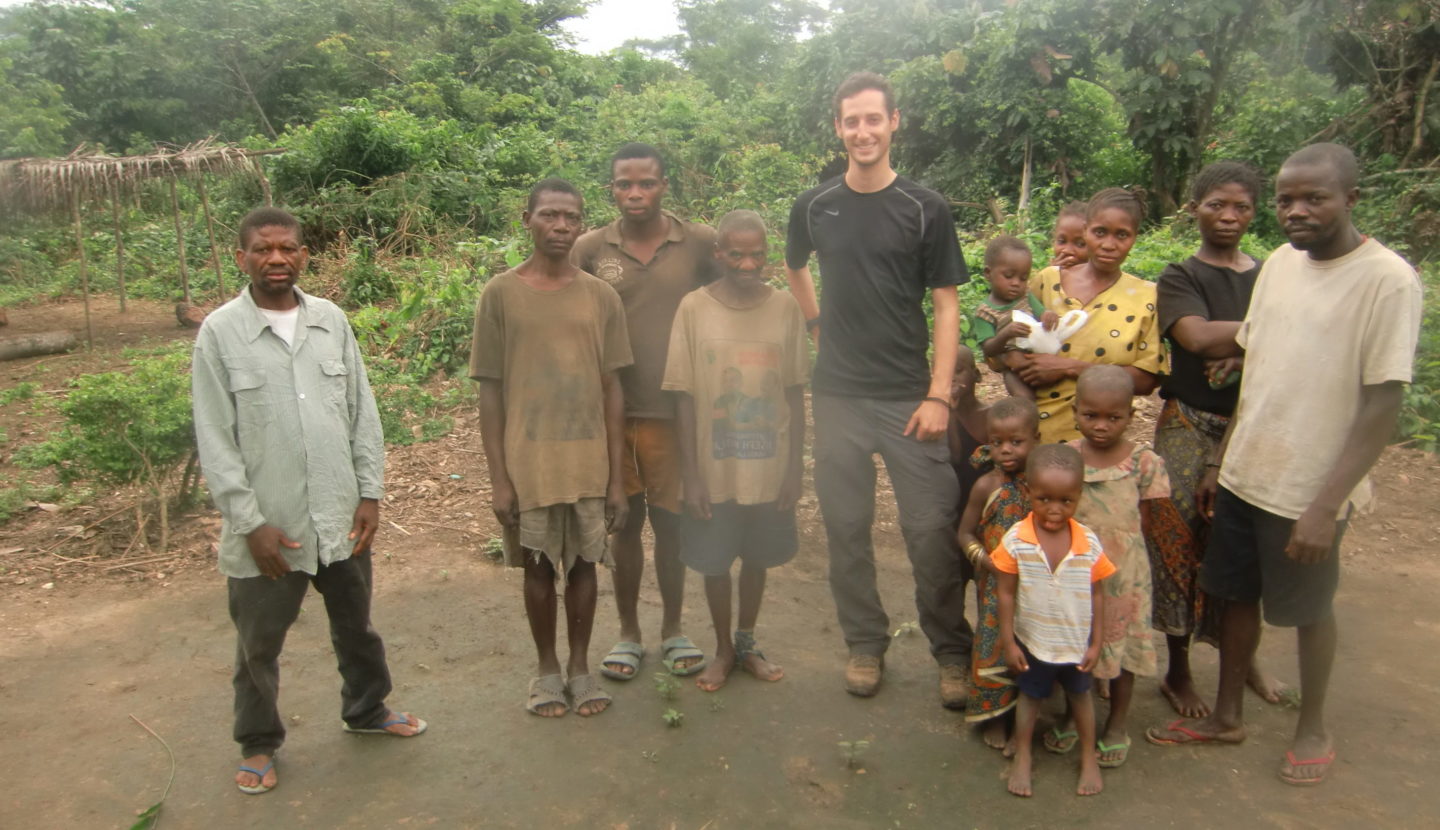
Ofir Reich spent 6 years doing math in the military, before spending another 2 in tech startups – but then made a sharp turn to become a data scientist focussed on helping the global poor.
At UC Berkeley’s Center for Effective Global Action he helps prevent tax evasion by identifying fake companies in India, enable Afghanistan to pay its teachers electronically, and raise yields for Ethiopian farmers by messaging them when local conditions make it ideal to apply fertiliser. Or at least that’s the hope – he’s also working on ways to test whether those interventions actually work.
Why dedicate his life to helping the global poor?
Ofir sees little moral difference between harming people and failing to help them. After all, if you had to press a button to keep all of your money from going to charity, and you pressed that button, would that be an action, or an inaction? Is there even an answer?
After reflecting on cases like this, he decided that to not engage with a problem is an active choice, one whose consequences he is just as morally responsible for as if he were directly involved. On top of his life philosophy we also discuss:
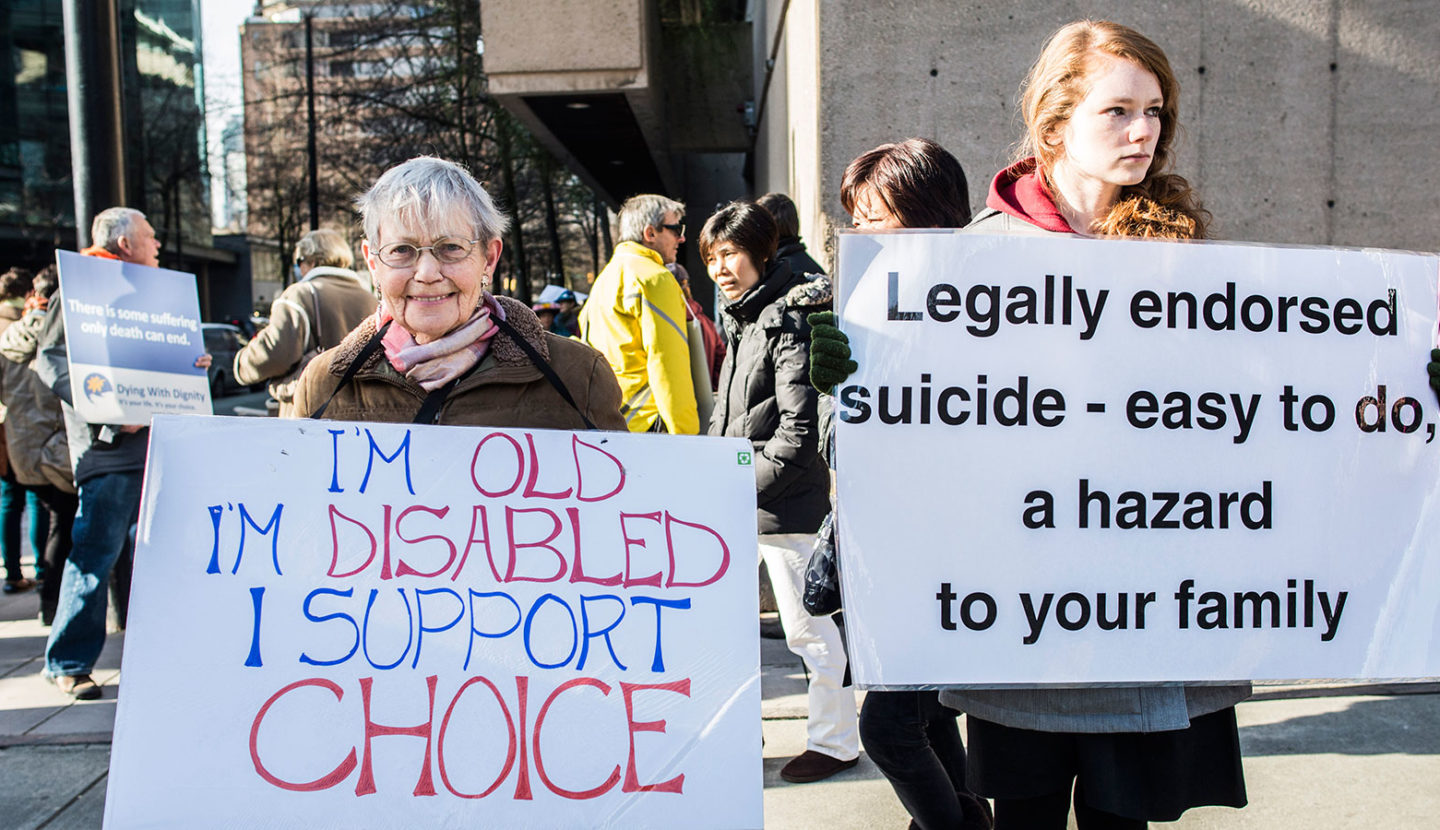
Immanuel Kant is a profoundly influential figure in modern philosophy, and was one of the earliest proponents for universal democracy and international cooperation. He also thought that women have no place in civil society, that illegitimate children should receive fewer legal protections, and that there was a ranking in the moral worth of different races.
Throughout history we’ve consistently believed, as common sense, truly horrifying things by today’s standards. According to philosopher Will MacAskill, it’s extremely likely that we’re in the same boat today. If we accept that we’re probably making major moral errors, how should we proceed?
If our morality is tied to common sense intuitions, we’re probably just preserving these biases and moral errors. Instead we need to develop a moral view that criticises common sense intuitions, and gives us a chance to move beyond them. And if humanity is going to spread to the stars it could be worth dedicating hundreds or thousands of years to moral reflection, lest we spread our errors far and wide.
Will is an Associate Professor in Philosophy at Oxford University, author of Doing Good Better, and one of the co-founders of the effective altruism community. In this interview we discuss a wide range of topics:

Summary
This year, we focused on “upgrading” – getting engaged readers into our top priority career paths.
We do this by writing articles on why and how to enter the priority paths, providing one-on-one advice to help the most engaged readers narrow down, and introductions to help them enter.
Some of our main successes this year include:
We started tracking rated-100 and rated-1000 plan changes. We recorded 10 rated-100 and one rated-1000 plan change, so with this change, total new impact-adjusted significant plan changes (IASPC v2) doubled compared to 2016, from roughly 1200 to 2400. That means we’ve grown the annual rate of plan changes 23-fold since 2013. (If we ignore the rated-100+ category, then IASPCv1 grew 31% from 2017 to 2016, and 12-fold since 2013.)
This meant that despite rising costs, cost per IASPC was flat. We updated our historical and marginal cost-effectiveness estimates, and think we’ve likely been highly cost-effective, though we have a lot of uncertainty.
We maintained a good financial position,
It’s that wonderful time of year again – the time I have to rush out a blog post about effective holiday giving before heading off for the Christmas break.
Here’s our article on how to find the best charity to give to.
In short we now recommend giving to the Effective Altruism Funds – this allows you to delegate the decision to world experts who research the most effective places to give full time. It’s fast and really hard to do better.
Alternatively, if you’d like to try something new, check out donor lotteries. They’re a great innovation for small to medium sized donors, though take a minute to fully understand.
If you want to do your own research, my holiday giving guide from last year is still a good starting point, as are the recent posts by the researchers at GiveWell and the Open Philanthropy on where they’re giving.
A possible new year’s resolution
Thinking longer term, this is the time of year that many people take the Giving What We Can pledge to donate 10% of their income to the most impactful organisations than can find. Last year 318 people did so over the holidays, and Giving What We Can is running a pledge drive again this year.
Donating 10% is one of the more straightforward ways you can have more social impact.

In the 40s and 50s neoliberalism was a fringe movement within economics. But by the 80s it had become a dominant school of thought in public policy, and achieved major policy changes across the English speaking world. How did this happen?
In part because its leaders invested heavily in training academics to study and develop their ideas. Whether you think neoliberalism was good or bad, its history demonstrates the impact building a strong intellectual base within universities can have.
Dr Michelle Hutchinson is working to get a different set of ideas a hearing in academia by setting up the Global Priorities Institute (GPI) at Oxford University. The Institute, which is currently hiring for three roles, aims to bring together outstanding philosophers and economists to research how to most improve the world. The hope is that it will spark widespread academic engagement with effective altruist thinking, which will hone the ideas and help them gradually percolate into society more broadly.
Its research agenda includes questions like:
Before moving to GPI, Michelle was the Executive Director of Giving What We Can and a founding figure of the effective altruism movement. She has a PhD in Applied Ethics from Oxford on prioritization and global health.
We discuss:

Prof Philip Tetlock is a social science legend. Over forty years he has researched whose forecasts we can trust, whose we can’t and why – and developed methods that allow all of us to be better at predicting the future.
After the Iraq WMDs fiasco, the US intelligence services hired him to figure out how to ensure they’d never screw up that badly again. The result of that work – Superforecasting – was a media sensation in 2015.
It described Tetlock’s Good Judgement Project, which found forecasting methods so accurate they beat everyone else in open competition, including thousands of people in the intelligence services with access to classified information.
Today he’s working to develop the best forecasting process ever by combining the best of human and machine intelligence in the Hybrid Forecasting Competition, which you can start participating in now to sharpen your own judgement.
In this interview we describe his key findings and then push to the edge of what’s known about how to foresee the unforeseeable:
Last updated: Aug 2018.
Application deadlines for US PhD programs are coming up over the next month (as of Nov 2017). We think many of our readers who are considering grad school at some point in the next few years should apply this year.
We’re writing this informal list of pros and cons now because a number of people we’ve recently given career coaching to have been much more reluctant to apply for grad school than we think is justified.
Why should they take the option seriously?
What if you knew that ducks were being killed with pitchforks? Rabbits dumped alive into containers? Or pigs being strangled with forklifts? Would you be willing to go undercover to expose the crime?
That’s a real question that confronts volunteers at Animal Equality (AE). In this episode we speak to Sharon Nunez and Jose Valle, who founded AE in 2006 and then grew it into a multi-million dollar international animal rights organisation. They’ve been chosen as one of the most effective animal protection orgs in the world by Animal Charity Evaluators for the last 3 consecutive years.
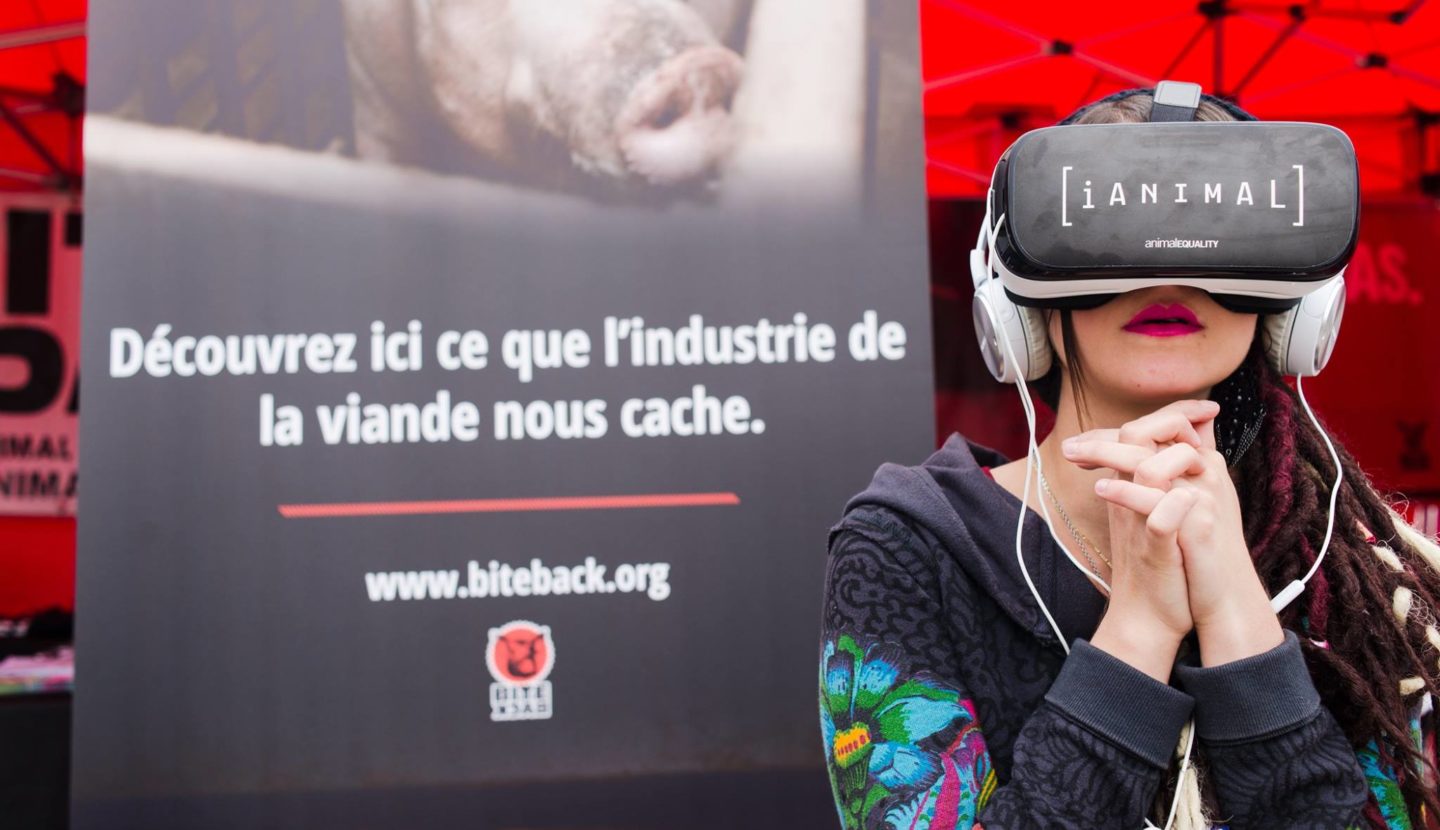
In addition to undercover investigations AE has also designed a 3D virtual-reality farm experience called iAnimal360. People get to experience being trapped in a cage – in a room designed to kill then – and can’t just look away. How big an impact is this having on users?
In this interview I’m joined by my colleague Natalie Cargill – Sharon Nuñez and Jose Valle also tackle:

Note that this article is from 2017. For more up-to-date findings, see our new 2018 survey, which asked most of the same questions and some additional ones.
Update April 2019: We think that our use of the term ‘talent gaps’ in this post (and elsewhere) has caused some confusion. We’ve written a post clarifying what we meant by the term and addressing some misconceptions that our use of it may have caused. Most importantly, we now think it’s much more useful to talk about specific skills and abilities that are important constraints on particular problems rather than talking about ‘talent constraints’ in general terms. This page may be misleading if it’s not read in conjunction with our clarifications.
What are the highest-impact opportunities in the effective altruism community right now? We surveyed leaders at 17 key organisations to learn more about what skills they need and how they would trade-off receiving donations against hiring good staff. It’s a more extensive and up-to-date version of the survey we did last year.
Below is a summary of the key numbers, a link to a presentation with all the results, a discussion of what these numbers mean, and at the bottom an appendix on how the survey was conducted and analysed.
We also report on two additional surveys about the key bottlenecks in the community, and the amount of donations expected to these organisations.
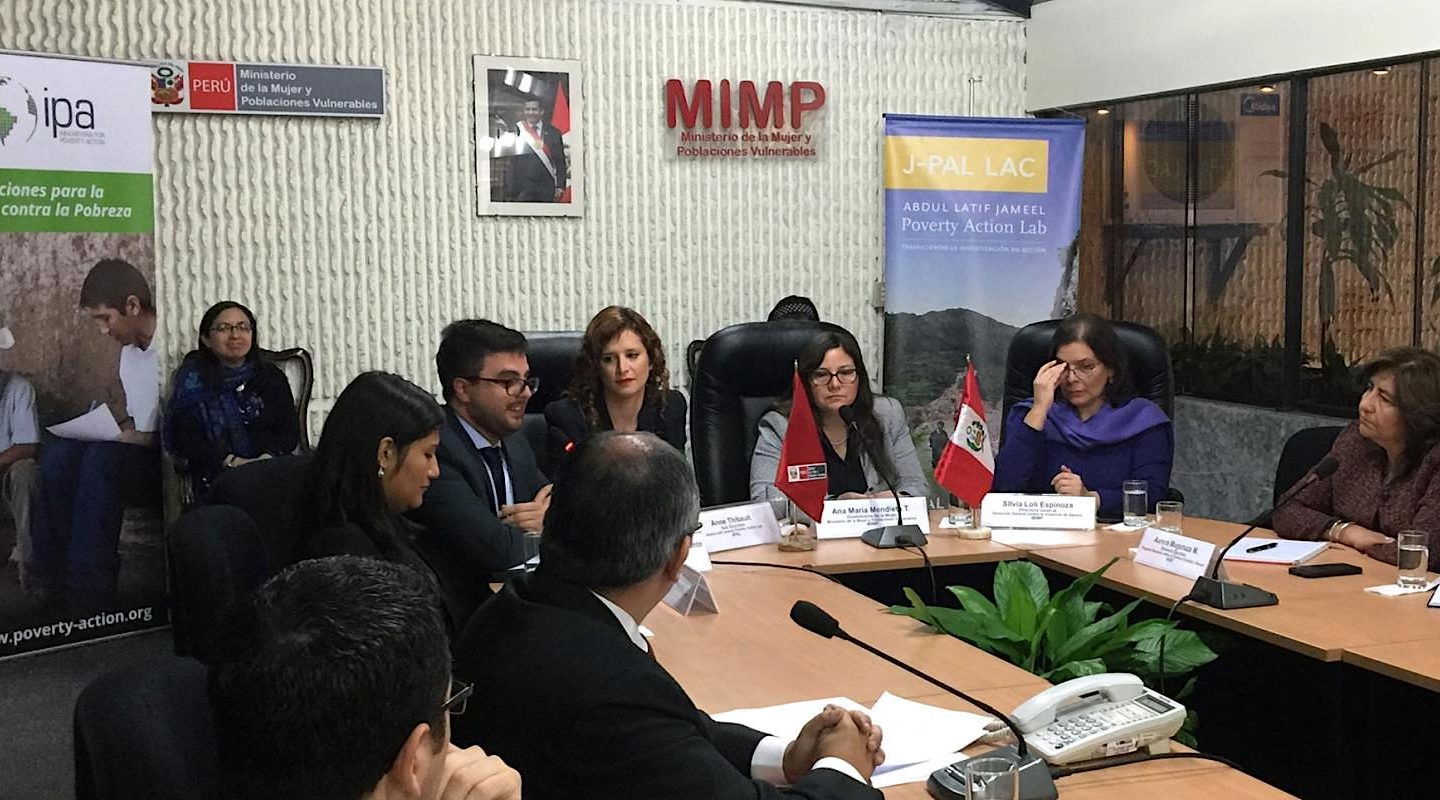
In both rich and poor countries, government policy is often based on no evidence at all and many programs don’t work. This has particularly harsh effects on the global poor – in some countries governments only spend $100 on each citizen a year so they can’t afford to waste a single dollar.
Enter MIT’s Poverty Action Lab (J-PAL). Since 2003 they’ve conducted experiments to figure out what policies actually help recipients, and then try to get them implemented by governments and nonprofits.
Claire Walsh leads J-PAL’s Government Partnership Initiative, which works to evaluate policies and programs in collaboration with developing world governments, scale policies that have been shown to work, and generally promote a culture of evidence-based policymaking.
We discussed (her views only, not J-PAL’s):

When you’re in the middle of a crisis and you have to ask for money, you’re already too late.
That’s Dr. Beth Cameron, and she’s someone who should know. Beth runs Global Biological Policy and Programs at the Nuclear Threat Initiative.
She has years of experience preparing for and fighting the diseases of our nightmares, on the White House Ebola Taskforce, in the National Security Council staff, and as the senior advisor to the Assistant Secretary of Defense for Nuclear, Chemical and Biological Defense Programs.
Unfortunately, the nations of the world aren’t prepared for a crisis – and like children crowded into daycare, there’s a real danger that something nasty will come along and make us all sick at once.
During previous pandemics, countries have dragged their feet over who will pay to contain them, or struggled to move people and supplies to where they needed to be. Unfortunately, there’s no reason to think that the same wouldn’t happen again today. And at the same time, advances in biotechnology may make it possible for terrorists to bring back smallpox – or create something even worse.
In this interview we look at the current state of play in disease control, what needs to change, and how you can work towards a job where you can help make those changes yourself. Topics covered include:

I recently wanted to see what content we’ve written in the past are still popular with readers. Our most visited pages are articles in our career guide, or tools like our career quiz, problem quiz and career decision tool, around which the site is designed. And of course anything that was released recently tends to attract a lot of readers. So let’s look at the others.
These are the pieces we’ve written that i) were most visited over the last three months, and ii) were written more than six months ago, iii) not a tool or part of our career guide. Enjoy!
Career review: Why an economics PhD might be the best graduate program
Career review: If you want to change the world for the better, should you work in a think tank?
Problem profile: Why helping to end factory farming could be the most important thing you could do

What is the best, state-of-the-art therapy for depression? Do most meat eaters think it’s wrong to hurt animals? How likely do Americans think climate change is to cause human extinction? How do we make academics more intellectually honest, so we can actually trust their findings? How can we speed up social science research 10-fold? Do most startups improve the world, or make it worse? Why is research in top journals less reliable?
If you’re interested in these questions, this interview is for you.
A scientist, entrepreneur, writer and mathematician, Spencer Greenberg is constantly working to create tools to speed up and improve research and critical thinking. These include:
In this episode of the show, Spencer discusses all of these and more. If you don’t feel like listening, that just shows that you have poor judgement and need to benefit from his wisdom even more!

What if you were in a position to give away billions of dollars to improve the world? What would you do with it? This is the problem facing Program Officers at Open Philanthropy – people like Dr Nick Beckstead.
Following a PhD in philosophy, Nick works to figure out where money can do the most good. He’s been involved in major grants in a wide range of areas, including ending factory farming through technological innovation, safeguarding the world from advances in biotechnology and artificial intelligence, and spreading rational compassion.
This episode is a tour through some of the toughest questions ‘effective altruists’ face when figuring out how to best improve the world, including: