#84 – Shruti Rajagopalan on what India did to stop COVID-19 and how well it worked
When COVID-19 hit the US, everyone was told that hand sanitizer needed to be saved for healthcare professionals and to just wash their hands instead. But in India, many homes lack reliable piped water, so they had to do the opposite: distribute hand sanitizer as widely as possible.
American advocates for banning single-use plastic straws might be outraged at the widespread adoption of single-use hand sanitizer sachets in India. But the US and India are very different places, and it might be the only way out when you’re facing a pandemic without running water.
According to today’s guest, Shruti Rajagopalan, Senior Research Fellow at the Mercatus Center at George Mason University, context is key to policy. Back in April this prompted Shruti to propose a suite of policy responses designed for India specifically.
Unfortunately she also thinks it’s surprisingly hard to know what one should and shouldn’t imitate from overseas.
For instance, some places in India installed shared handwashing stations in bus stops and train stations, which is something no developed country would recommend. But in India, you can’t necessarily wash your hands at home — so shared faucets might be the lesser of two evils. (Though note scientists now regard hand hygiene as less central to controlling COVID-19.)
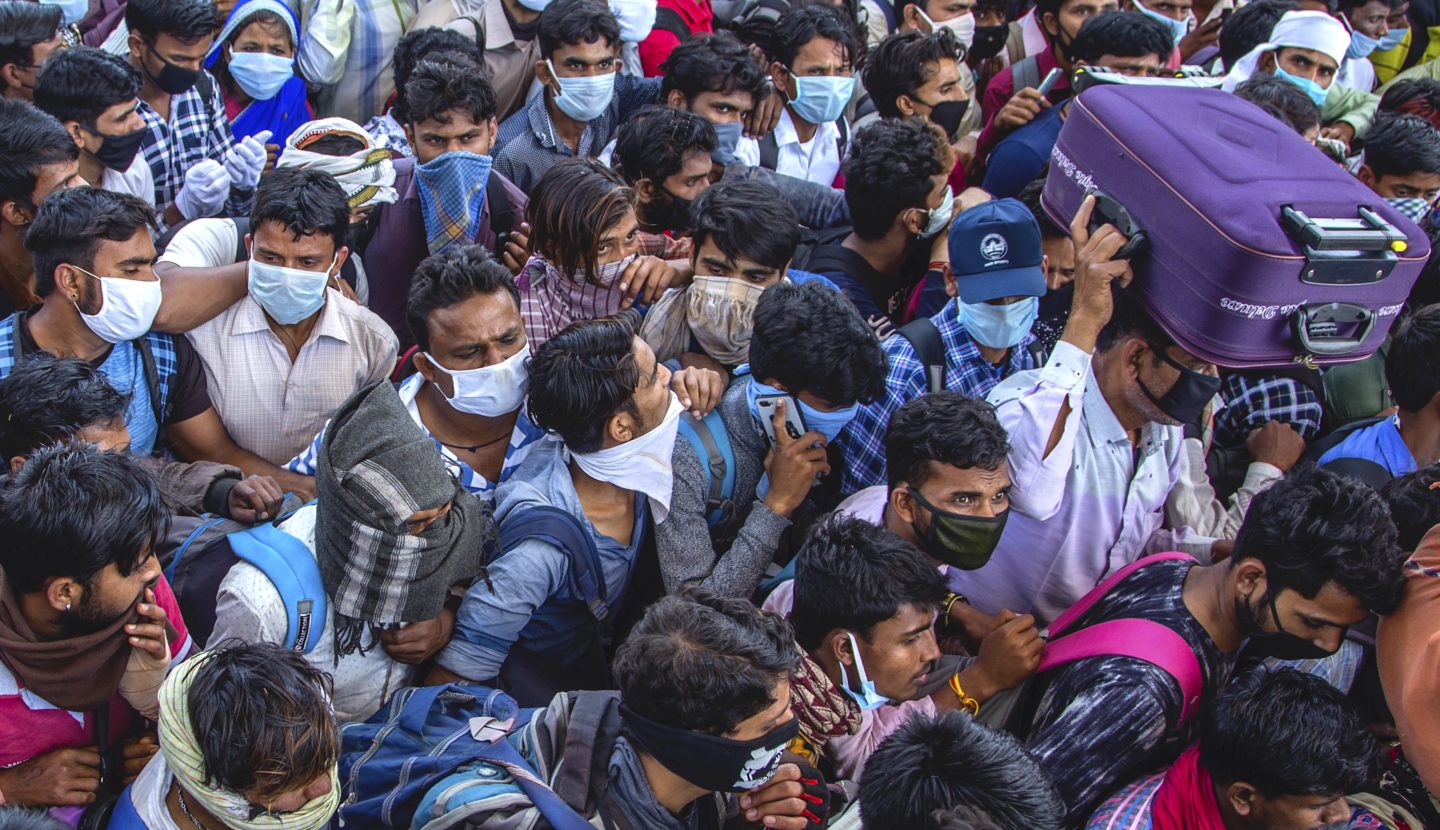
Stay-at-home orders present a more serious example. Developing countries find themselves in a serious bind that rich countries do not.
With nearly no slack in healthcare capacity, India lacks equipment to treat even a small number of COVID-19 patients. That suggests strict controls on movement and economic activity might be necessary to control the pandemic.